Shadow & Light is a list of curated photography stories, features, techniques, news and inspiration that I’ve come across this month.
In this first edition of 2026 we explore the abstract beauty of fireworks reimagined and reflect on the importance of trust in portrait photography through rare images of Sophia Loren. We revisit a lesser-known chapter of Ansel Adams’ work, and indulge in Fujifilm’s beautifully nostalgic take on instant photography.
So, with no further ado, I give you this month’s Shadow & Light Monthly. Go grab yourself a cuppa and enjoy this month’s selections below. Please let me know in the comments what you think.
Photographer’s Stunning Abstract Fireworks Pictures Defy Convention

This week I was genuinely surprised and delighted by the beautifully abstract fireworks images shared by photographer Benjamin Sunkyong Kim, featured in a recent PetaPixel article. Rather than shooting the usual crisp bursts against a night sky, Kim uses a deliberate defocusing technique that transforms fireworks into dreamlike swirls, glowing orbs and painterly bursts of colour – work that feels less like traditional documentation and more like expressive, kinetic abstraction.
What I particularly love about these images is how they emphasise shape, light and motion over representational accuracy. The strong, vibrant colours morph into almost painterly gestures, allowing us to see fireworks as pure light and form rather than familiar explosions. It’s an approach that genuinely feels unlike anything I’ve seen before in fireworks photography.
Kim’s method – refined over four years of practice at the Coney Island displays each Friday night – requires patience, prediction and calm precision: tracking fireballs, anticipating the burst, locking focus and defocusing steadily at the right moment to coax out these abstract forms. The choice of a long telephoto lens with smooth bokeh helps create the effortless blur and rich colour transitions that make the series so compelling.
If you’re intrigued by a fresh, painterly way to capture light and movement – where a familiar spectacle becomes something beautifully unexpected – it’s well worth exploring more of Kim’s work. For the full feature, visit PetaPixel on Photographer’s Stunning Abstract Fireworks Pictures Defy Convention.
Additional reads
200 Unpublished Sophia Loren Portraits Teach Us the Importance of Trust Between Photographers and their Subjects
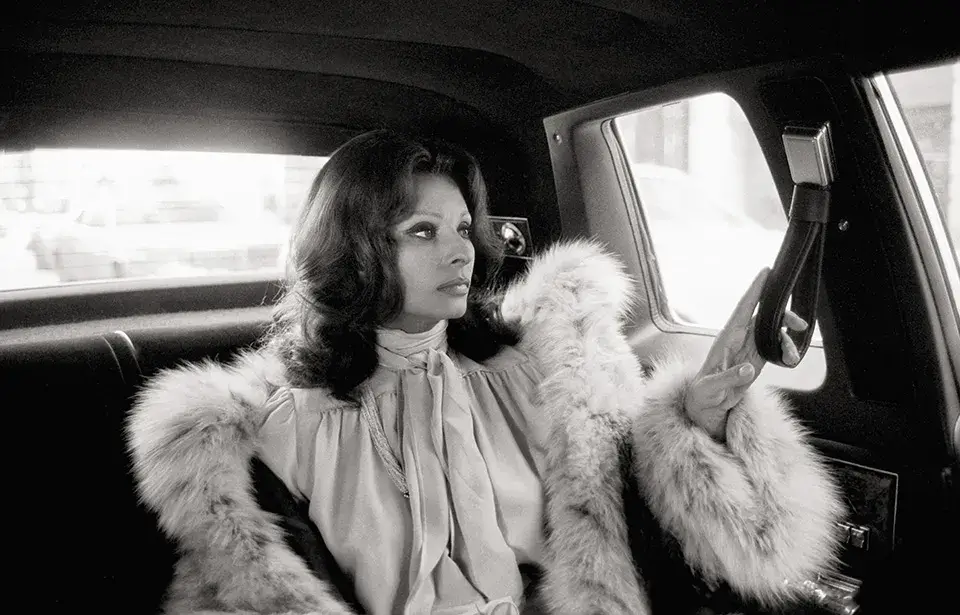
For many photographers, the deepest portraits aren’t born from gear or technique but from relationship – the trust between photographer and subject. A recent piece on Digital Camera World highlights this beautifully through the nearly 200 previously unpublished Sophia Loren portraits made by legendary Life photographer Alfred Eisenstaedt over an 18-year period.
Eisenstaedt’s work with Loren – spanning from the early 1960s to the late 1970s – evolved far beyond a single assignment into a long-term creative partnership. Rather than orchestrating scenes, he remained quietly present, patient and observant, earning Loren’s comfort and openness over time. The resulting images reveal not only her iconic glamour but also intimate moments and everyday life – from film sets to family gatherings – that could only be captured because she trusted him.
What strikes me about this story is how it echoes my own belief that connection between photographer and subject is the single most important thing in portrait photography. You can see in these portraits something that no amount of technical precision can fabricate: a genuine, unguarded presence that emerges only when a subject feels seen and safe. In today’s world of instant capture and image saturation, Eisenstaedt’s patient, respectful approach feels both timeless and instructive for anyone seeking to make portraits that resonate.
I’m a huge fan of the work of Greg Williams and I see a lot of parallels here. He shoots incredible intimate behind the scenes shots of famous actors and actresses with unprecedented access. If you’ve not seen his work I really recommend you check it out.
For the full feature and insight into Eisenstaedt’s remarkable body of work, read the article on Digital Camera World.
Ansel Adams Photos Capture Daily Life Inside Japanese Internment Camps During WWII
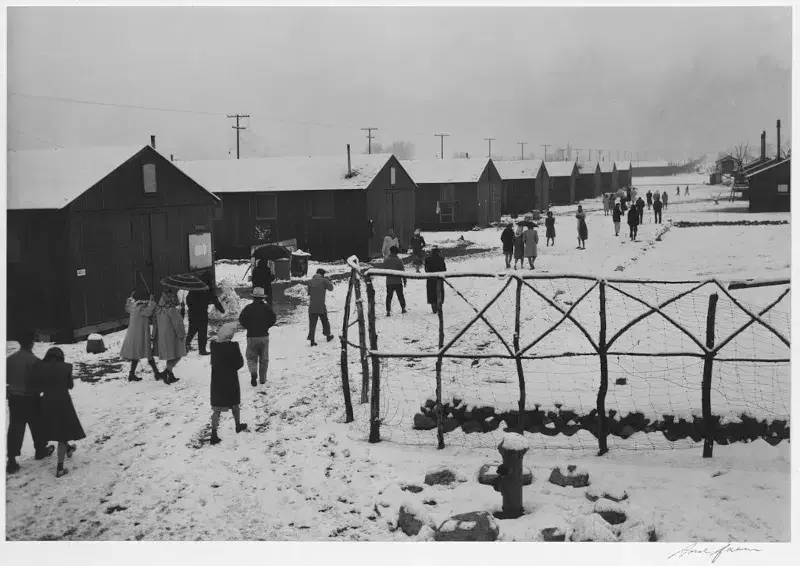
Most people know Ansel Adams as one of the greatest landscape photographers of the 20th century – a master of crisp black-and-white, dramatic vistas and the Zone System he helped refine, emphasising full tonal range and precision in exposure and development. But a recent feature on My Modern Met highlights a very different and profoundly human body of work from Adams: his photographs of daily life inside the Manzanar War Relocation Center, one of the Japanese-American internment camps during World War II.
In 1943 Adams visited Manzanar – far from his usual Yosemite and Sierra Nevada landscapes – and made more than 200 images documenting the people and everyday moments of internees living there. Rather than producing stark or sensational images, Adams focused on ordinary life: families working, children playing, neighbours reading and gathering together against the harsh desert terrain and mountain backdrop. The resulting photos show resilience, community and quiet humanity, offering a less-seen facet of his creative practice that sits alongside, yet distinct from, his celebrated wilderness photography.
What’s so striking about this series, and what makes it worth revisiting, is how Adams’s technical mastery and deep sense of composition lend dignity and presence to these intimate scenes. Having spent so much of my own practice in the darkroom working with black-and-white tones, I particularly love how these images balance light and shadow to convey not just form but feeling, transforming everyday life into something deeply resonant. For more on this remarkable chapter of Adams’s work, read the full article on My Modern Met.
And Finally – Fujifilm Instax Mini Evo Cinema Review: Wait, This Is Awesome
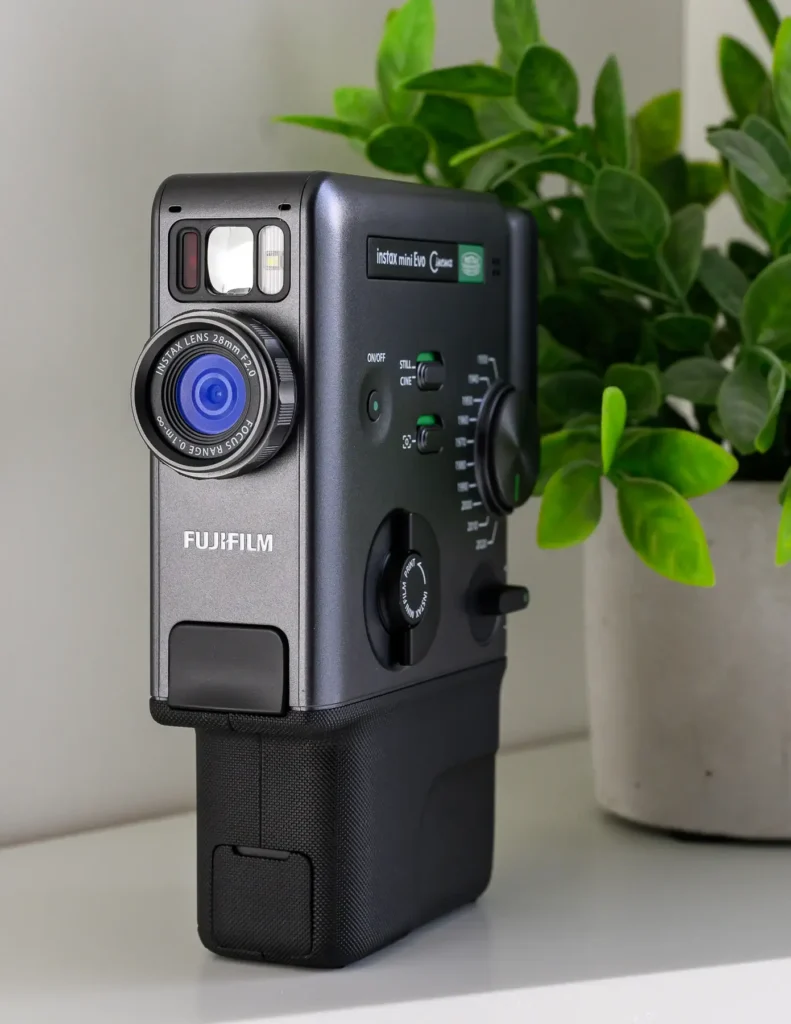
I love Fujifilm cameras – I carry an X100VI and adore everything about it (apart from the menus) – so this new release really caught my eye. This month Fujifilm unveiled the Instax Mini Evo Cinema, a hybrid instant camera that feels more like a beautiful little artefact than a typical gadget. It blends still photography, short-form video capture and instant printing in one compact body, and its ‘Eras Dial’ – which lets you cycle through visual styles inspired by different decades – genuinely nods back to the tactile creativity of classic cine cameras like the Fujica Single-8 from the 1960s.
What delights me most is how this camera embraces aesthetic and analogue nostalgia over sterile digital perfection. You can record up to 15-second clips, then choose and instantly print a frame with a QR code that links to the video – a clever way of marrying physical prints with moving moments. The era-inspired filters feel playful and imaginative, and that retro cine influence gives every image its own character rather than striving for clinical sharpness.
I don’t doubt for a second that the image quality will be nothing to write home about – the print and video resolution are modest – but this isn’t about image quality, it’s supposed to be fun. It genuinely feels like holding a piece of photographic design history in your hands, and it reminded me of a little Kodak Instamatic M14 that sits on a shelf in my office.
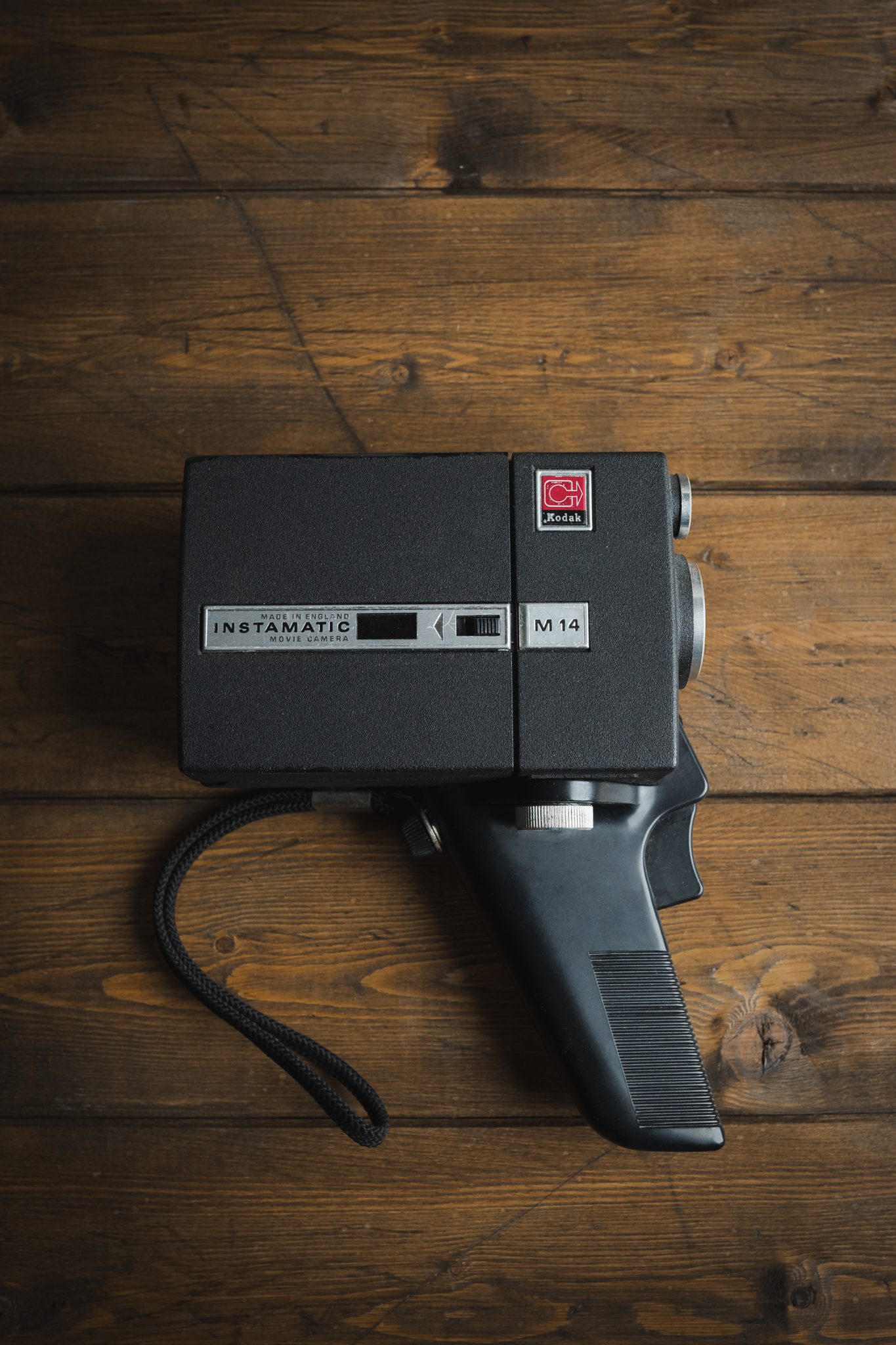
Just like that little Kodak Instamatic, the Instax Mini Evo Cinema isn’t about pixel peeping – it’s about enjoying the look, mood and creative process of image-making in a way that feels tactile and joyful. For more on this intriguing new camera, read the full article on PetaPixel. Or you can watch the video below.
Until next time…
I hope you enjoy the articles above. Don’t forget you can follow my Shadow & Light magazine over on Flipboard if you’d like to see more of what I’m reading if you like what you’ve seen here.
Shadow & Light Magazine
Shadow & Light is a list of curated photography stories, features, techniques, news and inspiration that I maintain on Flipboard. It’s a great way to create myself a ‘read later’ list. Feel free to follow the magazine for updates or keep an eye on my blog where I regularly post Shadow & Light monthly highlights.