Shadow & Light is a list of curated photography stories, features, techniques, news and inspiration that I’ve come across this month.
In this edition we revisit the timeless street photography of Saul Leiter, explore eight decades of British documentary photography, discover richly symbolic work inspired by memory and heritage, and celebrate one of the most beautifully designed cameras ever created. From quiet observations of everyday life to iconic photographic design, this month’s selection is a reminder that the most enduring images often come from curiosity, craftsmanship and a unique way of seeing the world.
So, with no further ado, I give you this month’s Shadow & Light Monthly. Go grab yourself a cuppa and enjoy this month’s selections below. Please let me know in the comments what you think.
Melancholic and intimate – unseen 50s and 60s New York by master street photographer Saul Leiter will positively blow your mind
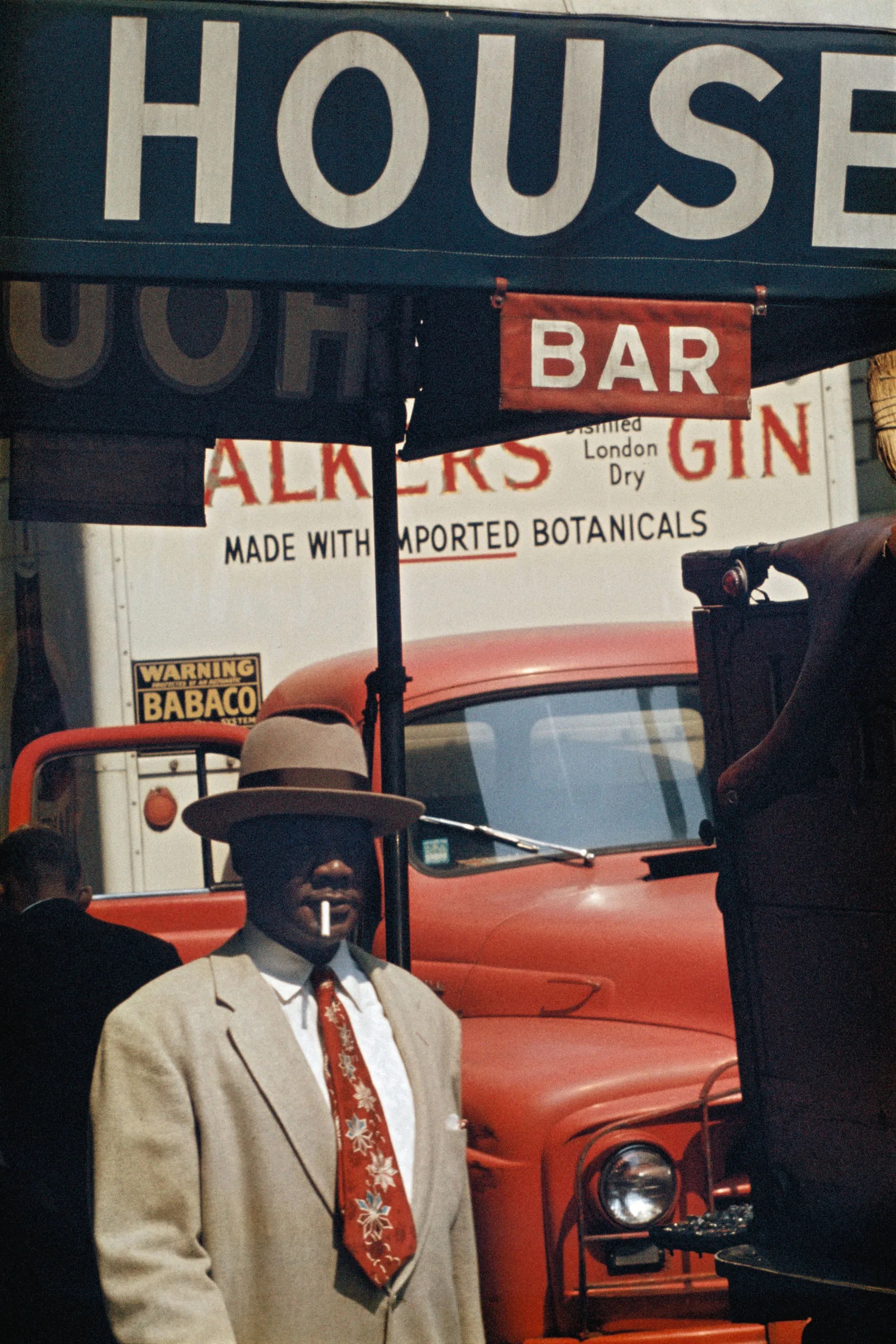
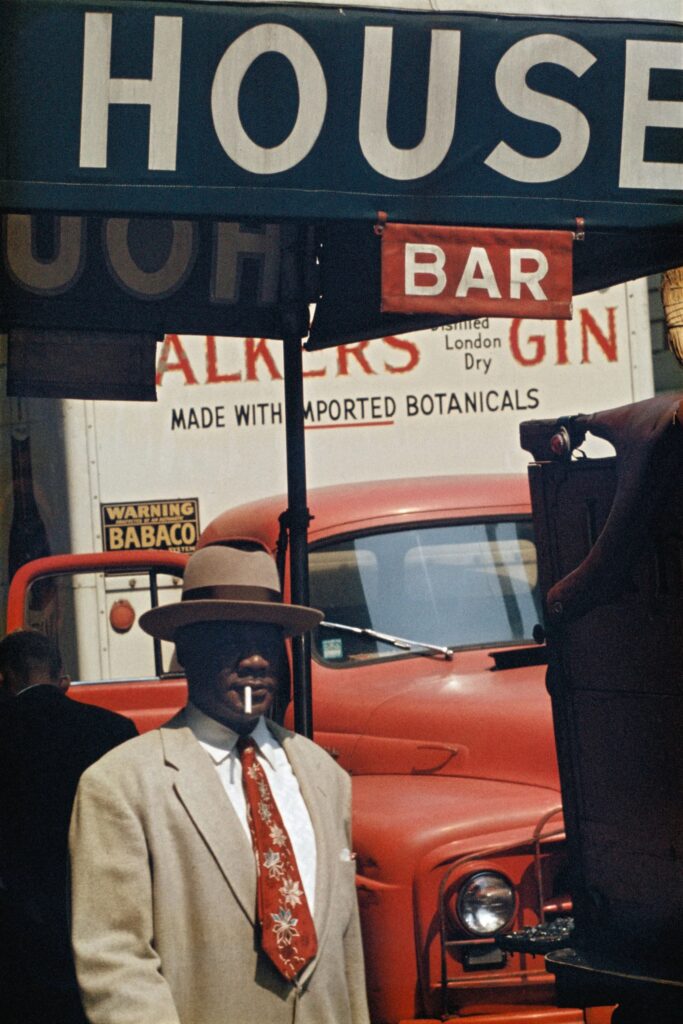
I’m a huge fan of Saul Leiter. In fact, he’s probably my favourite street photographer of all time. His ability to transform the everyday into something poetic through colour, light and layering has influenced countless photographers, and this wonderful article from Amateur Photographer shines a light on a newly discovered collection of his work from 1950s and 60s New York.
While Leiter is perhaps best known for his beautifully composed colour photographs, these previously unseen images reveal the same remarkable sensitivity that runs through all of his work. They are quiet, intimate and often wonderfully melancholic, finding beauty in reflections, rain-soaked windows, fleeting gestures and the spaces between people. Rather than chasing dramatic moments, Leiter had an extraordinary gift for recognising the subtle poetry of everyday life.
What has always drawn me to Leiter’s photography is that it feels almost painterly. He wasn’t interested in recording the city as it was, but in interpreting it through colour, abstraction and carefully observed moments. Looking through these rediscovered photographs is a reminder of why his work remains so timeless and influential. Even today, decades after they were made, they still feel fresh, modern and utterly captivating.
For more on these remarkable rediscovered photographs, read the full article on Amateur Photographer.
Additional reads
80 Years of Documentary Photography Reveal the Darker Side of Britain

Documentary photography has long been one of the most powerful ways to hold a mirror up to society, and this compelling feature from PetaPixel highlights an exhibition that does exactly that. Bringing together 80 years of British documentary photography, the collection explores the realities of life across the UK through the work of photographers who have chosen to document communities, hardship and social change with honesty and compassion.
What I particularly appreciate about this work is that it doesn’t seek to sensationalise. Instead, the photographs invite us to look more closely at lives and places that are often overlooked, revealing resilience, dignity and humanity alongside the challenges. From post-war Britain to contemporary social issues, the images become a visual history of the country, charting how people, industry and communities have evolved over the decades.
It’s also a reminder that some of the most important photography isn’t always the most technically complex or visually spectacular. Documentary photography succeeds because of the relationships photographers build with their subjects and their willingness to spend time understanding the stories they are telling. That trust and patience shine through in these images, making them feel every bit as relevant today as when many of them were first made.
For more on the exhibition and the photographers featured, read the full article on PetaPixel.
Photographer Reframes a Holocaust Victim’s Final Journey Through the Lenses She Once Crafted

The work of Hannah Altman sits somewhere between photography, memory and mythology. Featured in My Modern Met, her latest exhibition, Ground Glass, draws on Jewish folklore, family history and personal identity to create a series of richly symbolic photographs that feel both timeless and deeply intimate. Rather than documenting the world as it is, Altman uses photography to build visual narratives that invite viewers to look beyond the surface.
What I find so compelling about this work is its use of colour, light and symbolism. Every image feels meticulously crafted, with carefully considered compositions that echo the style of classical paintings. Objects, gestures and landscapes become visual metaphors, encouraging the viewer to slow down and discover new layers of meaning with each look. It’s photography that rewards patience, offering far more than a quick first impression.
Although deeply personal, Ground Glass touches on universal themes of identity, heritage and belonging. Altman’s photographs demonstrate how the medium can move beyond recording reality to explore memory, tradition and emotion in ways that are both beautiful and thought provoking.
For more on Ground Glass and Hannah Altman’s work, read the full feature on My Modern Met.
How the Polaroid SX-70 Became the Most Beautiful Camera Ever Made

There are some cameras that transcend their purpose and become works of industrial design in their own right, and for me the Polaroid SX-70 sits firmly at the top of that list. This fascinating article from Fstoppers explores why many people consider it to be the most beautiful camera ever made. Introduced in 1972, the SX-70 combined revolutionary instant photography with an elegant folding design that still feels futuristic more than fifty years later.
I’ll admit I’ve always wanted an SX-70 to sit proudly on my shelf alongside my collection of vintage film cameras. The shelves are already full, but this is the one camera I’d happily make an exception for. There’s something about the engineering, the leather finish and the way it folds into such a compact package that makes it as much a design icon as a photographic tool. Even today, it looks like an object from the future rather than the past.
Of course, the SX-70 was far more than just a beautiful camera. It fundamentally changed instant photography, allowing photographers to create self-developing images in a camera that was portable, elegant and remarkably sophisticated for its time. It remains a perfect example of when exceptional engineering and thoughtful design come together to create something truly timeless.
For more on the enduring appeal of this iconic camera, read the full article on Fstoppers.
Until next time…
I hope you enjoy the articles above. Don’t forget you can follow my Shadow & Light magazine over on Flipboard if you’d like to see more of what I’m reading if you like what you’ve seen here.
Shadow & Light Magazine
Shadow & Light is a list of curated photography stories, features, techniques, news and inspiration that I maintain on Flipboard. It’s a great way to create myself a ‘read later’ list. Feel free to follow the magazine for updates or keep an eye on my blog where I regularly post Shadow & Light monthly highlights.