Shadow & Light is a list of curated photography stories, features, techniques, news and inspiration that I’ve come across this month.
In this edition we uncover a remarkable rediscovered archive of postwar street photography, explore cinematic approaches to light and storytelling on the streets, revisit the mystery behind one of the most iconic images ever made, and reflect on the powerful storytelling of this year’s World Press Photo winners. From lost negatives to global narratives, this month’s selection highlights photography’s enduring ability to document, interpret and reveal the world around us.
So, with no further ado, I give you this month’s Shadow & Light Monthly. Go grab yourself a cuppa and enjoy this month’s selections below. Please let me know in the comments what you think.
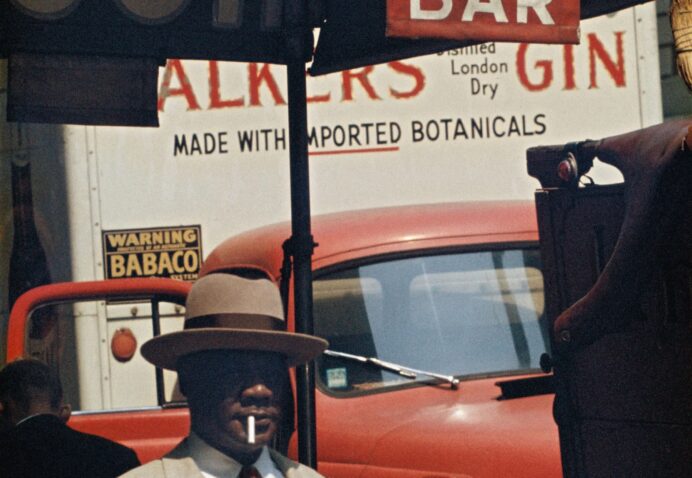
John Baer grabbed a Leica from a captured German soldier in 1945. Nearly 50 years later, his son found the negatives – which were some of the best postwar street photographs ever

Some photographic stories feel almost mythical, and this remarkable discovery is one of them. As featured on Digital Camera World, a collection of negatives taken by American soldier John Baer during the final days of World War II has resurfaced decades later, revealing an extraordinary body of postwar street photography. Baer had taken a Leica camera from a captured German soldier in 1945 and used it to document life in a defeated and rebuilding Europe, capturing moments with a sensitivity and instinct that feel far beyond that of an amateur.
What makes these images so compelling is their quiet humanity. Rather than focusing on destruction or spectacle, Baer turned his lens toward everyday life, children playing, people gathering, fleeting expressions and gestures that speak to resilience and recovery. There is a natural, observational quality to the work that places it firmly within the tradition of classic street photography, with echoes of photographers who would later define the genre.
The fact that these negatives remained largely unseen for nearly fifty years adds another layer to the story. Rediscovered by his son, they now stand as both a historical document and a reminder of photography’s power to preserve moments that might otherwise be lost. It is a fascinating example of how important work can emerge from the most unexpected places.
For more on this incredible find and to see the images, read the full article on Digital Camera World.
Additional reads
Art of Visual Storytelling: 32 Cinematic Street Photos Filled With Drama and Mystery
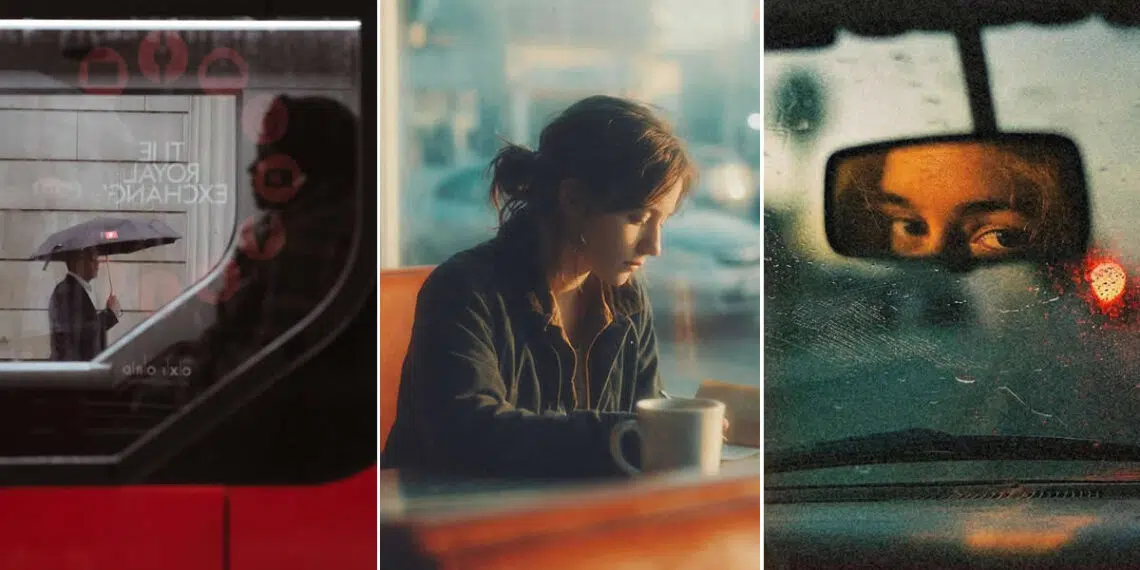
There’s something endlessly compelling about street photography that leans into atmosphere, and this collection featured on 121Clicks does exactly that. Bringing together a range of photographers, the article explores a cinematic approach to street work, where light, shadow and timing combine to create images filled with drama and mystery rather than simple observation.
What stands out across the series is the use of light as a narrative tool. Harsh highlights, deep shadows and carefully framed silhouettes transform everyday scenes into something far more evocative, often feeling closer to stills from a film than traditional street photography. There’s a strong sense of tension in many of the images, moments that feel on the edge of unfolding into something more, even when nothing overtly dramatic is happening.
I really like how this approach shifts the focus from documenting reality to interpreting it. The streets become a stage, and the photographer takes on the role of storyteller, using composition and light to guide the viewer’s imagination. It’s a great reminder that street photography doesn’t have to be purely reactive, it can be highly intentional, crafted and cinematic in its execution.
For more on this collection and to see the full set of images, visit the feature on 121Clicks.
The Enduring Mystery Behind Iconic American Photograph ‘Lunch on a Beam’
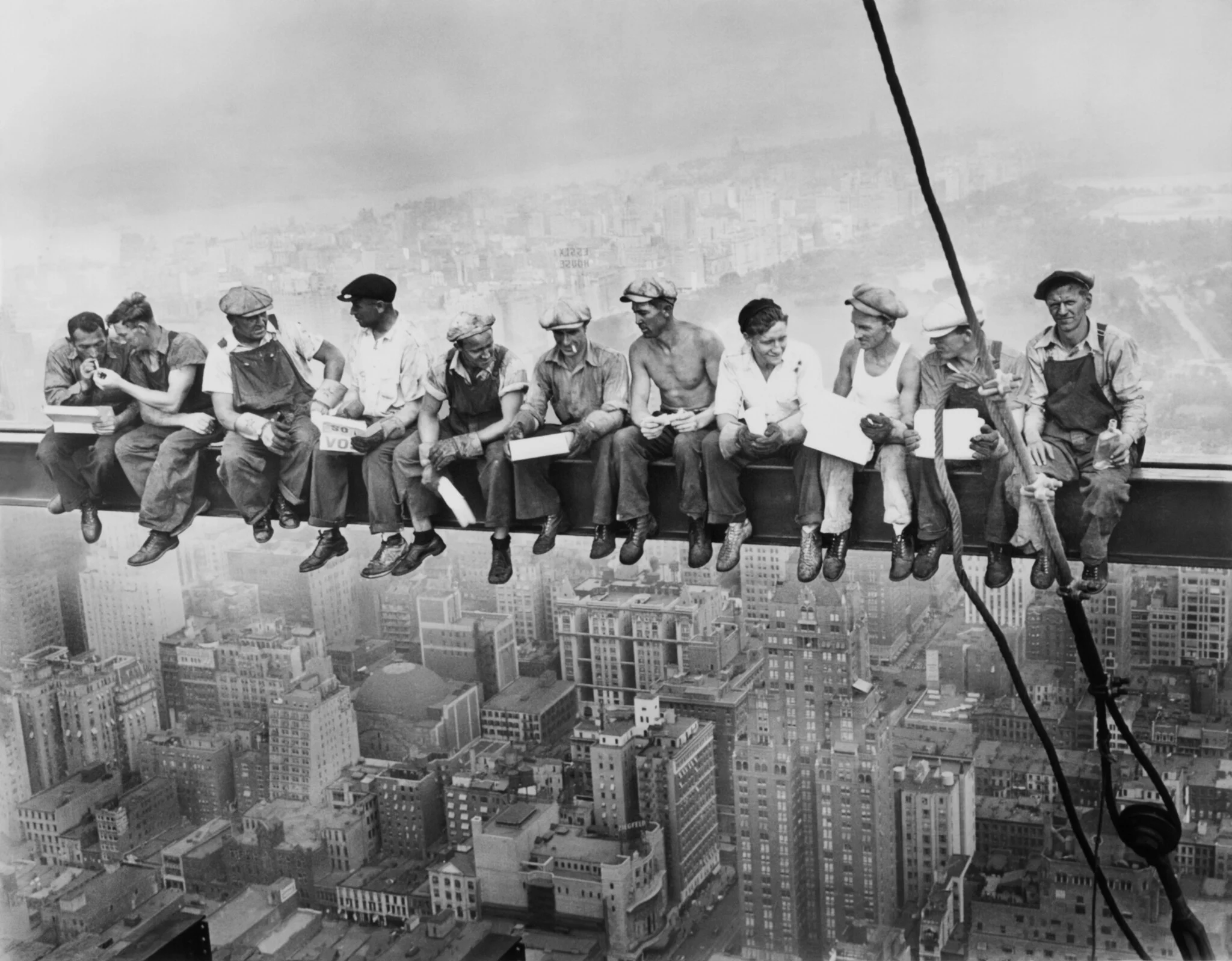
Some photographs become so iconic that their origins almost fade into myth, and Lunch Atop a Skyscraper is one of the most enduring examples. This piece on PetaPixel revisits the famous 1932 image of construction workers casually eating lunch on a steel beam high above New York City, exploring the lingering mystery around who actually took the photograph and how it came to be.
What makes this story so fascinating is that, despite the image’s global recognition, its authorship has never been definitively confirmed. Several photographers were present that day, all working on a publicity shoot for the Rockefeller Center development, and while names have been suggested over the years, no single figure can be conclusively credited. It’s a rare case where one of the most recognisable images in photographic history exists without a clear creator.
Beyond the mystery, the photograph itself still holds incredible power. The nonchalance of the workers, the scale of the city below and the stark geometry of the steel beam all combine to create an image that feels both surreal and grounded in reality. It captures a moment of human resilience and bravado during the Great Depression, while also serving as a masterclass in composition and storytelling.
For more on the history and unanswered questions behind this iconic image, read the full article on PetaPixel.
37 Photos That Define 2026, According To World Press Photo

Each year the World Press Photo Awards offer a powerful snapshot of the world we live in, and the 2026 winners, featured here on Bored Panda, continue that tradition with a striking and often emotional collection of images. Spanning conflict, climate, migration and everyday life, the photographs bring together stories from across the globe, each one rooted in real human experience and captured with clarity and intent.
What stands out across the winning images is their ability to balance impact with sensitivity. These are not just dramatic moments, but carefully observed scenes that invite reflection rather than simply demanding attention. From intimate portraits to wider environmental and political narratives, the work highlights the role of photojournalism in helping us understand complex issues through a human lens.
There’s also a strong reminder here of the responsibility that comes with this kind of photography. These images are not created for aesthetic value alone, they exist to inform, to challenge and to document history as it unfolds. It’s a powerful demonstration of photography’s ability to connect us to stories beyond our own immediate experience.
For more on the winners and to see the full selection of images, visit the feature on Bored Panda.
Until next time…
I hope you enjoy the articles above. Don’t forget you can follow my Shadow & Light magazine over on Flipboard if you’d like to see more of what I’m reading if you like what you’ve seen here.
Shadow & Light Magazine
Shadow & Light is a list of curated photography stories, features, techniques, news and inspiration that I maintain on Flipboard. It’s a great way to create myself a ‘read later’ list. Feel free to follow the magazine for updates or keep an eye on my blog where I regularly post Shadow & Light monthly highlights.