
Before settling in ‘God’s own county’ I grew up in Castle Donington, within spitting distance of Donington Park racing circuit. I used to shoot quite a bit of motorsport photography back in the day, primarily British Touring Cars and the Superbikes.
We even had the honour of hosting Formula One back in 1993 when, as an excited 15 year old, I was lucky enough to see Ayrton Senna (and a young up and coming driver called Michael Schumacher) race in the flesh when Donington hosted the European Grand Prix. It’s the only time my sleepy village has ever hosted Formula One.
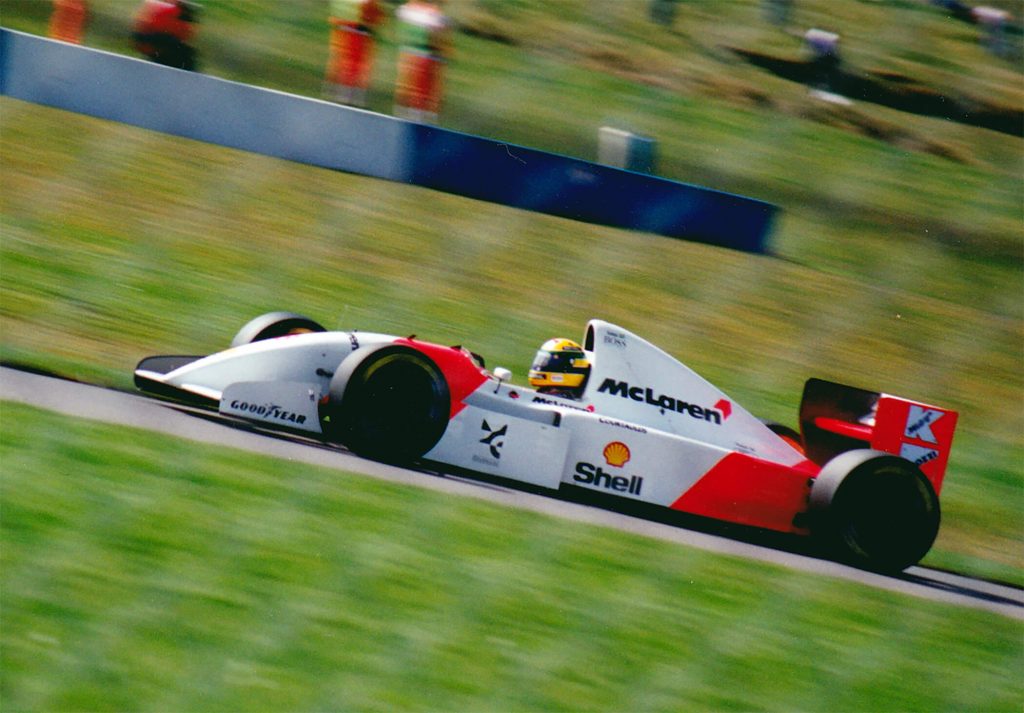
Turning back the clock
Now it’s been a long time since I last shot any motorsport photography. I’ve certainly not shot any since I moved from film to digital which is going back an awful long way. However, I recently had the opportunity to turn back the clock and jump back in the saddle thanks to my dad. My mum bought him a Ferrari driving experience for his birthday at Silverstone, the home of the British Grand Prix. I offered to come along and document it for him.
Getting close to the action
I had no idea how close we’d be able to get to the action. To cover all eventualities I even threw in my trusty old Canon EOS 7D. I figured if we couldn’t get very close to the action then in desperation I could always throw my EF 70-200 f/2.8L onto the 7D and squeeze out an additional bit of focal length due to the crop factor of the APS-C sensor on the 7.
As it turned out I needn’t have worried. It was quite a nice surprise to arrive and find we had pretty much free reign of the entire pit lane.
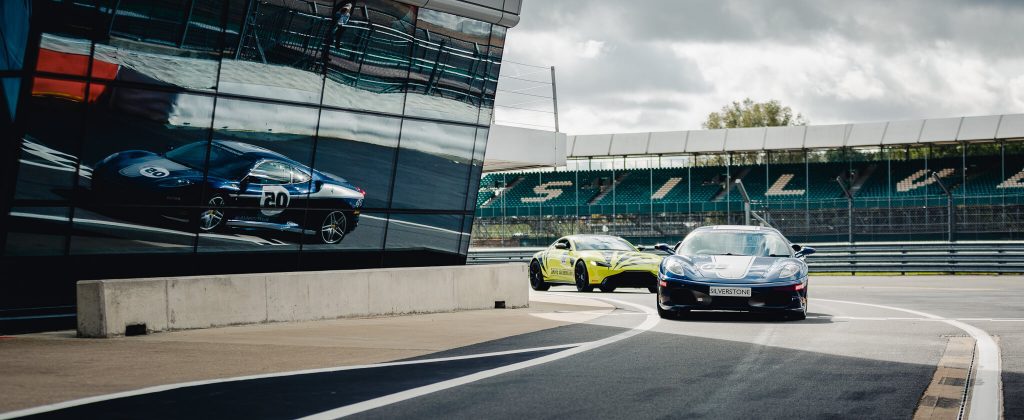
“If you’re crossing the pit lane, just remember to look left.”
Silverstone safety team
This was a real treat. Not only could I get right in amongst the cars themselves, I could position myself right on the pit lane wall to capture the cars as they turned and sped down the start/finish straight. I could also turn from the same spot and capture the cars face on as they filtered off the track and down towards the pit lane.
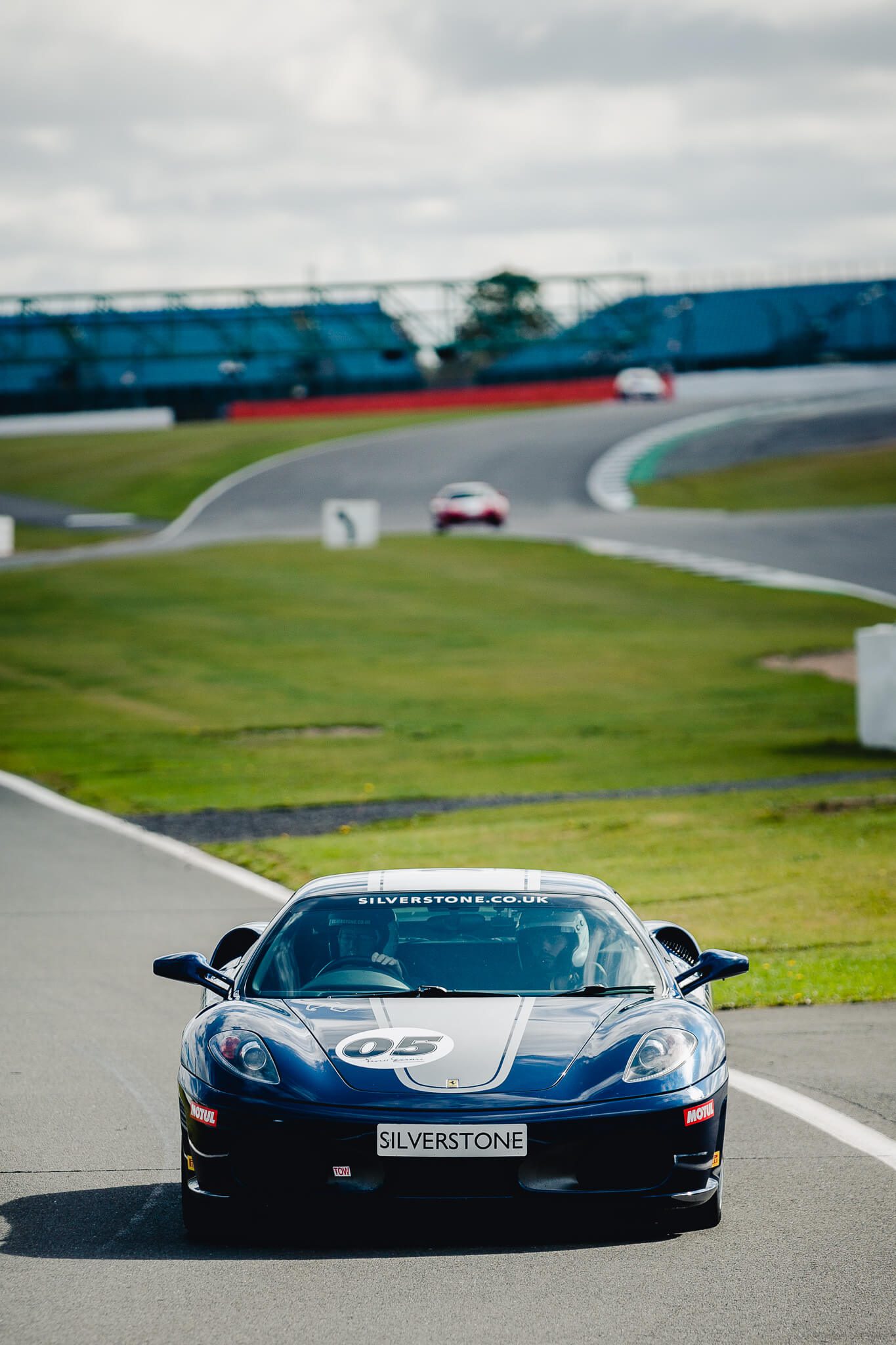
The technical challenges of shooting motorsport
There are a couple of very specific technical challenges when it comes to shooting motorsport:
Blink and you’ll miss them
The circuit is approx 3 miles long. As a photographer you have whatever angles you can see from where you’re stood to shoot as the cars come past at around 130mph. Then you wait for them to come round again. Therefore your positioning is pretty important.
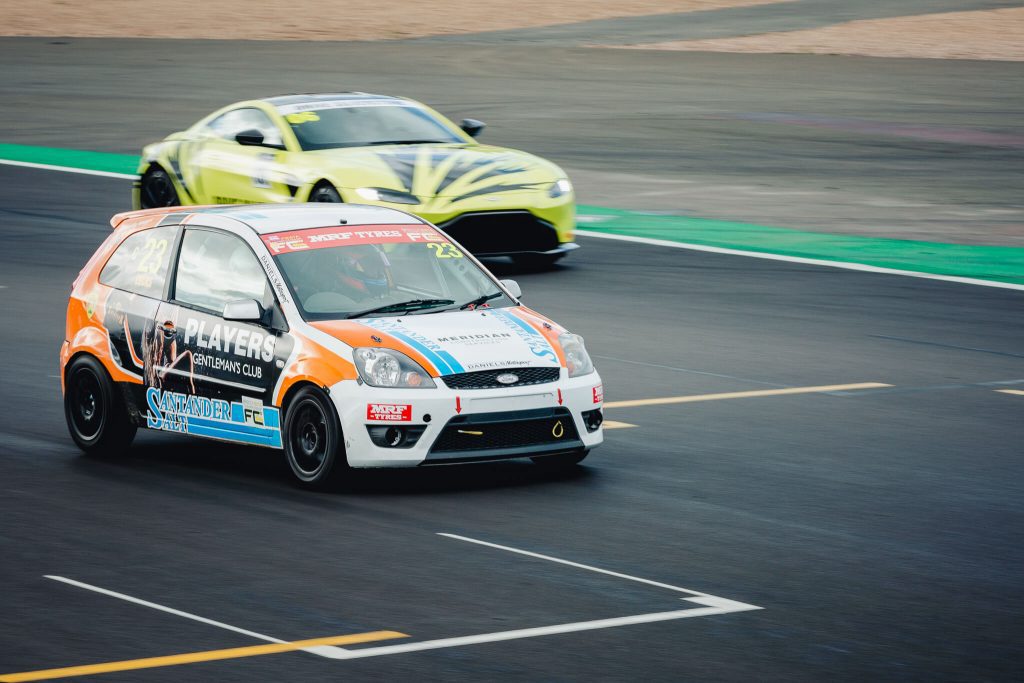
Communicating the movement without losing focus
Racing cars move fast. You can use a fast shutter to make sure they’re sharp but then they look like they’re not moving. Slowing down the shutter to introduce movement makes it significantly harder to get a sharp shot. The slower the shutter, the faster the car appears to be moving… and the harder it is to get the shot. It’s a constant balancing act.
The tried and tested method of shooting motorsports photography is panning. Here you use a slower shutter speed and attempt to pan your camera in such a way that you keep the car in the exact same position, resulting in a sharp car and a beautifully blurred background perfectly communicating the speed. Easy huh? Well, no. It’s a technique that requires a lot of practice to get right.
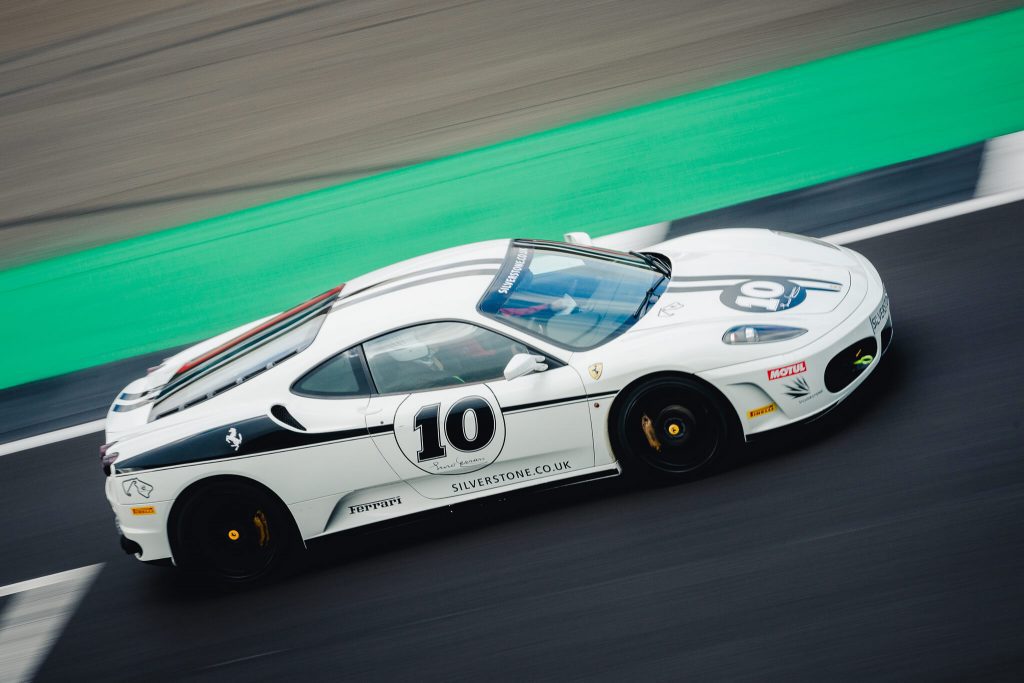
This new fangled ‘digital’ thing is quite good isn’t it?!
My dad was only on circuit for two sets of four flying laps so I was keen to ensure I didn’t miss the shot. I found my spot and practiced my panning technique on the first batch of drivers. My technique was a little rusty although it was a stark reminder of just how much the convenience of digital helps. It used to be I’d have to wait weeks to find out all my shots were blurry. Now I can see it in an instant and adjust accordingly.
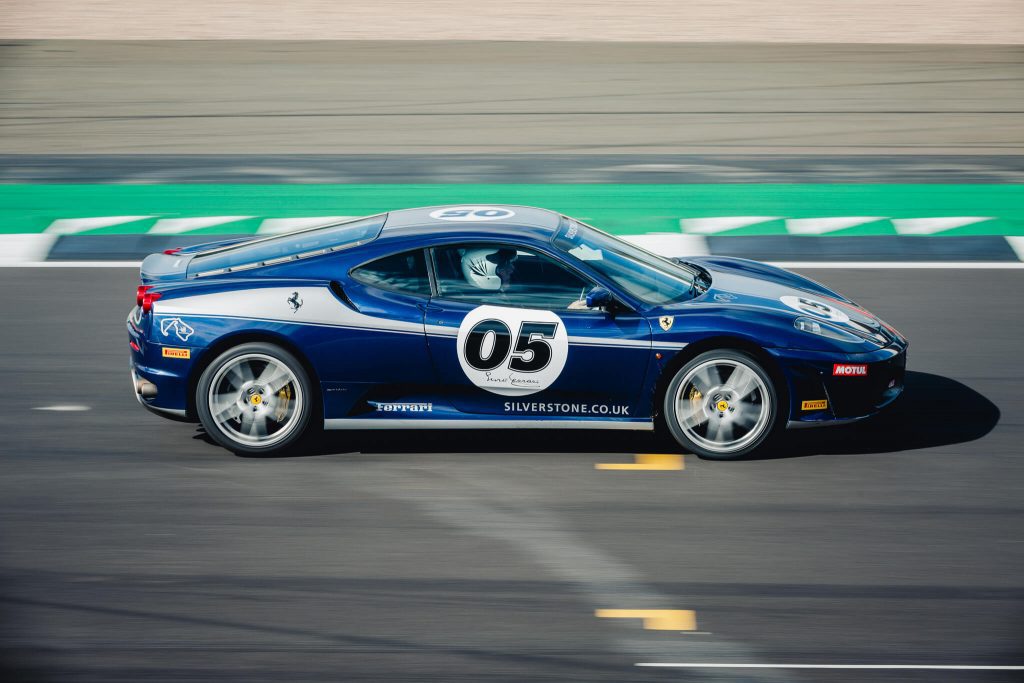
With the cars reaching around 130mph on the pit straight I found a shutter speed of around 1/200 second gave a good balance of blur and a good hit rate of sharp images. I did grab a few shots at around 1/1600 second as well for safety. I figured a sharp shot that didn’t really communicate the speed was a decent emergency fallback should all the panning shots actually turn out to be blurred (It’s amazing how many times images look sharp on the LCD only to inflict crushing disappointment when you view them full size).
Documentary photography is about more than the race
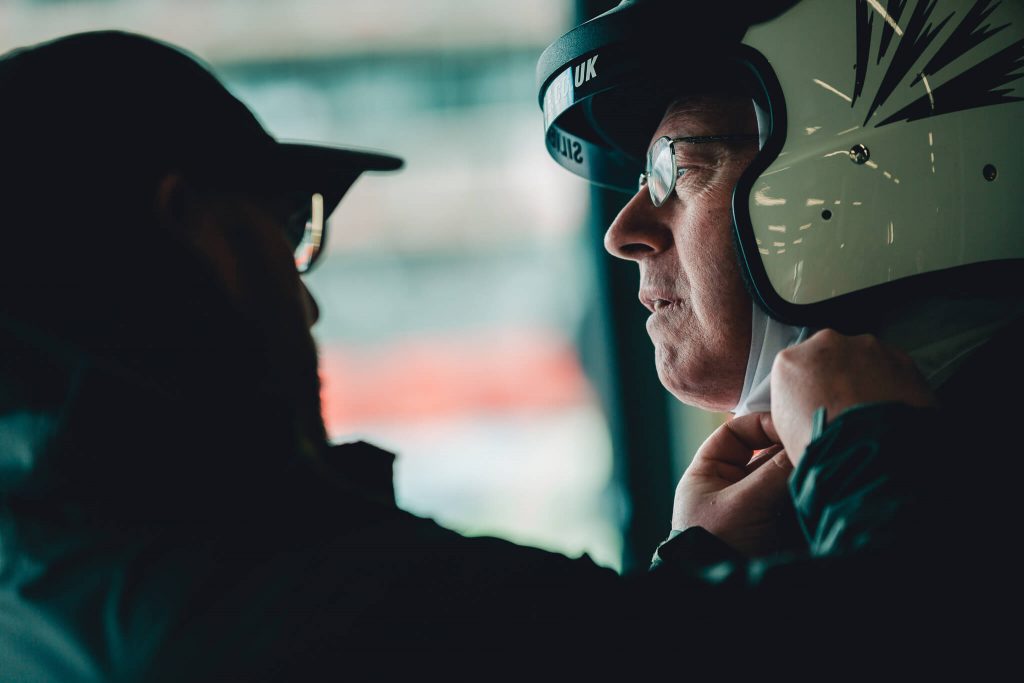
If I was here to shoot the race this is where I’d stay, camped on the corner capturing as many of the cars as I could and trying to get that perfect panning shot. Perhaps that killer overtaking manoeuvre, a spark of bodywork on tarmac or a flame from an exhaust. However that wasn’t really why I was here. I was here to document the experience. Yes I needed that ‘hero shot’ of my dad (ideally visible in the car) tearing down the straight in a Ferrari but I was keen to capture the rest of the experience as well. This is where the full pit access really gave me the advantage. I could shoot dad getting into the car, walk across the pit lane (looking left!) and be at the pit wall in plenty of time to capture him at the end of his first lap.
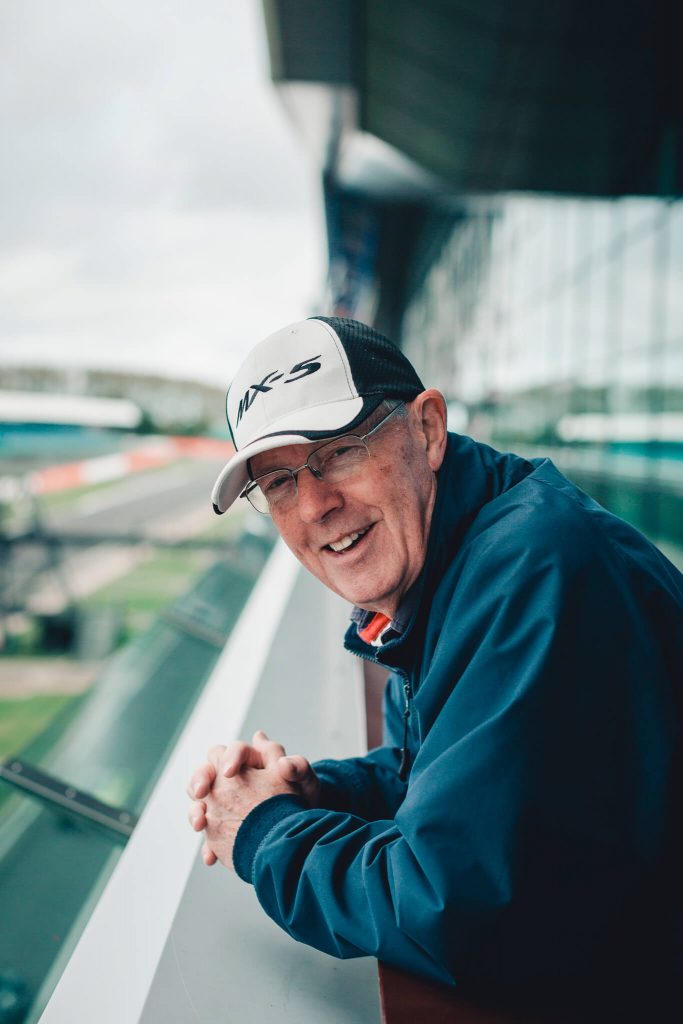


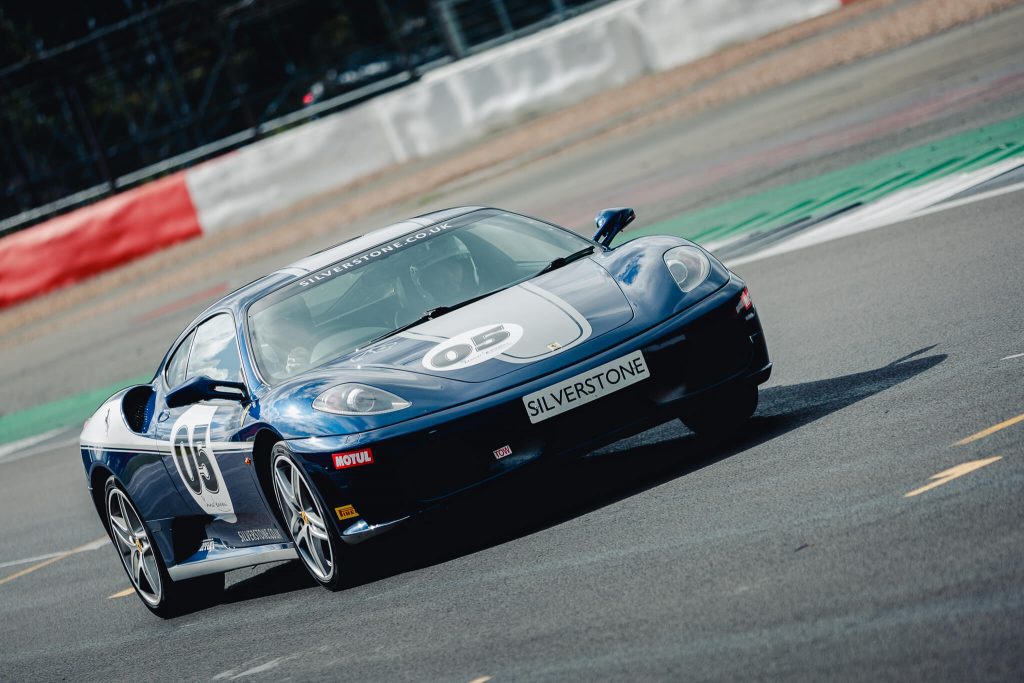
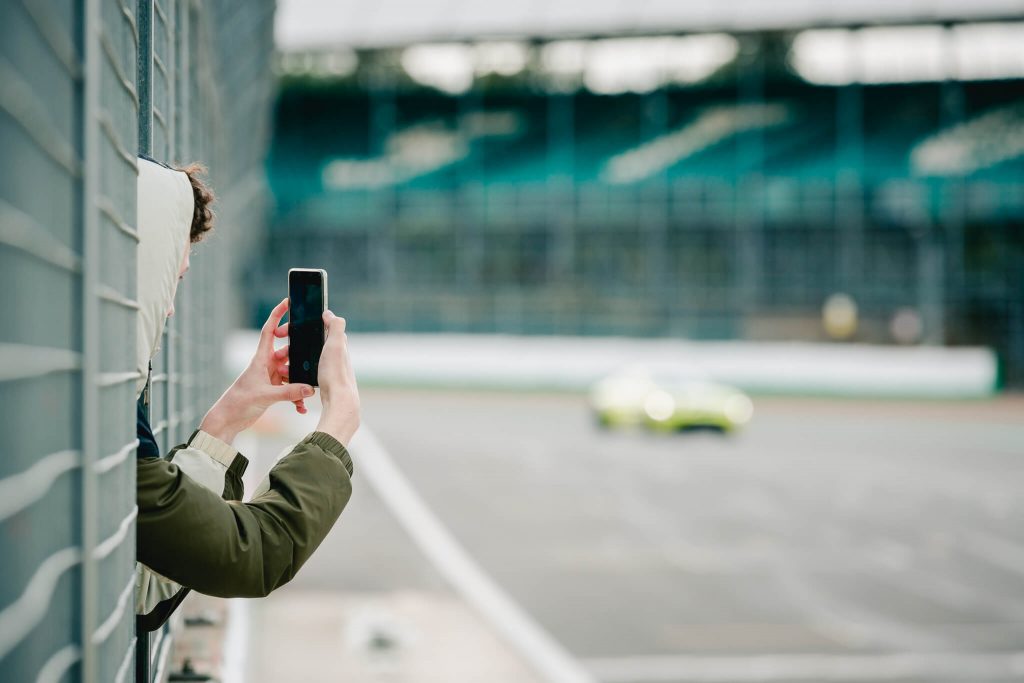
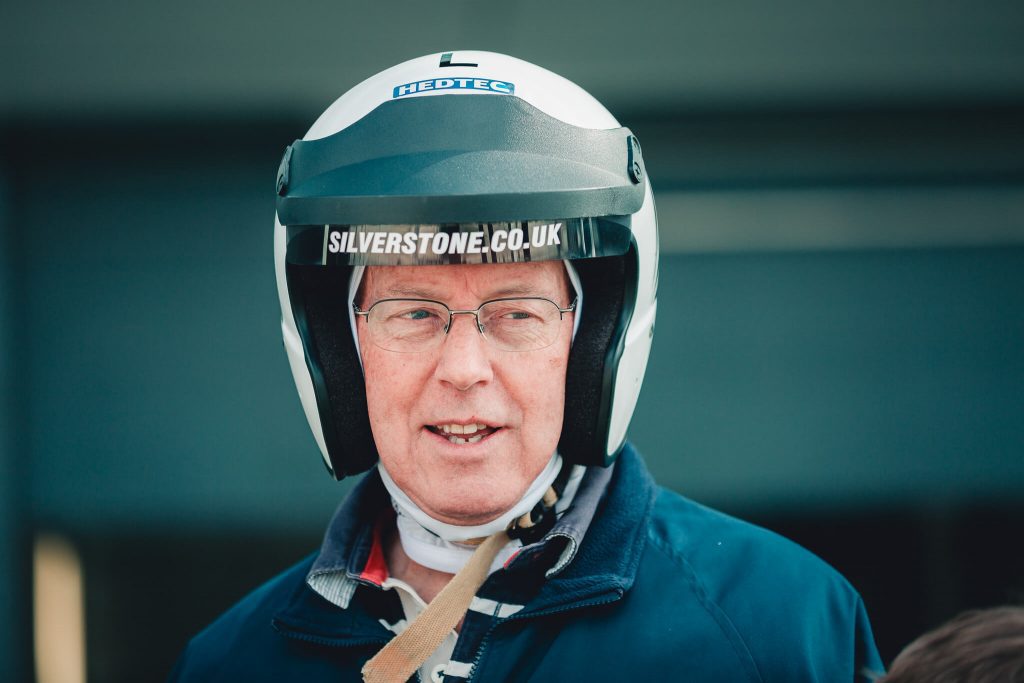
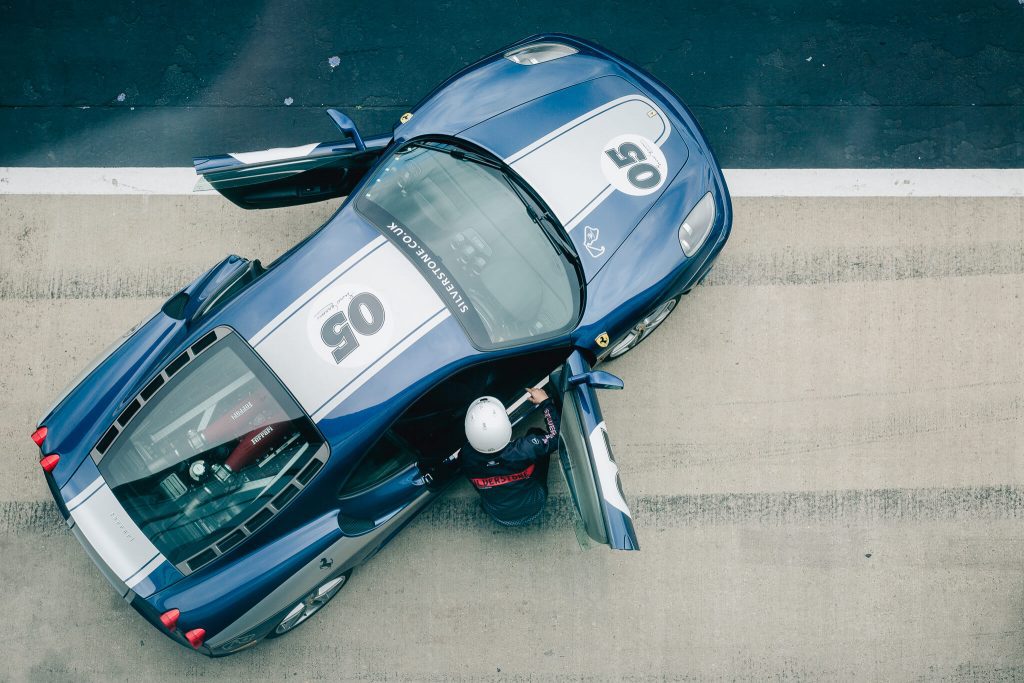
We had a great day, and I was really pleased with how the set of images turned out. It really did take me back to many a happy time trying (and usually failing) to perfect my panning technique along the fences of Donington.
God bless you digital…


