
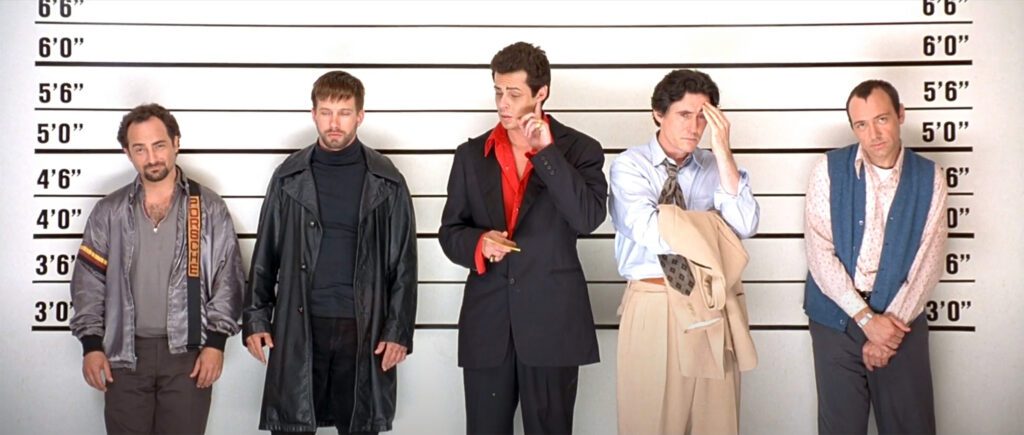
In both photography and videography, storytelling is what transforms a beautiful image into something memorable, meaningful and emotionally resonant.
While visual storytelling is often associated with filmmaking – through the use of wide, medium and close-up shots to construct a scene. These same principles can elevate your photography to a whole new level.
As a commercial photographer and videographer, I often bring my cinematic mindset into stills work. Whether I’m shooting a brand campaign, a family session or a recruitment-led image library, I aim to build a visual narrative that unfolds naturally through the lens.
In this article, I’ll explore how storytelling structures commonly used in film can apply directly to photography. I’ll also share insight into how this approach shaped a recent brand shoot for Evri, resulting in a compelling, human-first image library that brings their brand values to life. I’ll also show how these same principles apply no matter what genre of photography you work in.
Table of Contents
What Do We Mean by Storytelling Photography?
At its core, storytelling photography is about guiding the viewer through a narrative. That could be the journey of a product, a day in the life of a team, or a behind-the-scenes look at a workplace. The goal is to help the audience connect emotionally with the subject and understand the context without needing words.
Storytelling adds purpose. It’s not just about aesthetics, it’s about meaning.
Photographers can borrow a framework that’s well established in video production: wide, medium, and close-up shots. Each of these plays a unique role in storytelling:
- Wide shots (or establishing shots) give context and set the scene.
- Medium shots help introduce the subject and show interaction with the environment.
- Close-up or detail shots focus attention and convey emotion or specific information.
Let’s look at how this works in both videography and photography.
From Video to Stills: Adapting a Cinematic Structure
In videography, this trio of shots is essential for maintaining narrative flow. For example, a short brand video might start with a sweeping exterior shot of a warehouse (wide), cut to a manager talking with team members (medium), and then focus on a scanner beeping or a hand taping a box (close-up). Each cut adds information and emotion, drawing the viewer deeper into the story.
In photography, this structure can be mirrored through a well-planned shoot. Think of your shot list not just as a collection of angles, but as chapters of a story.
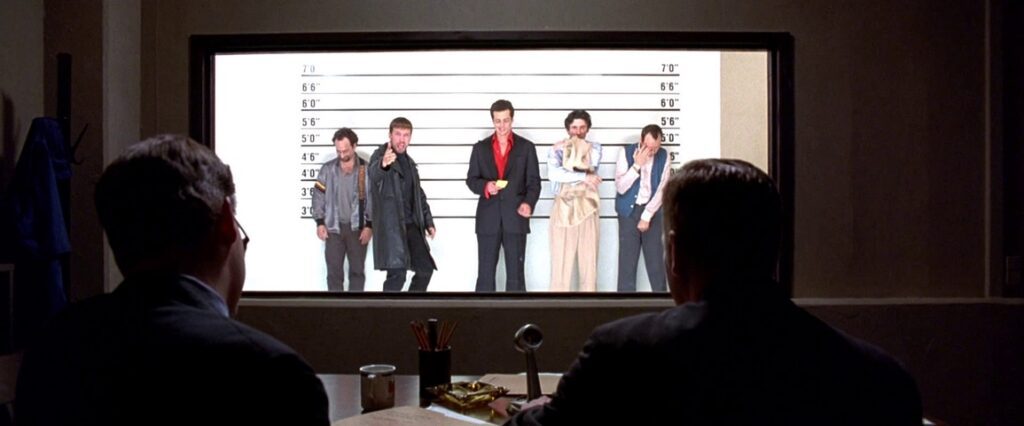
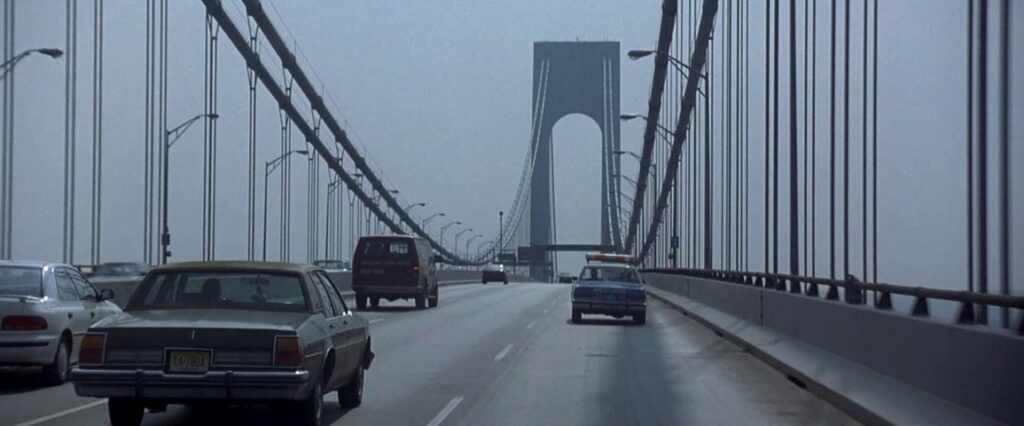
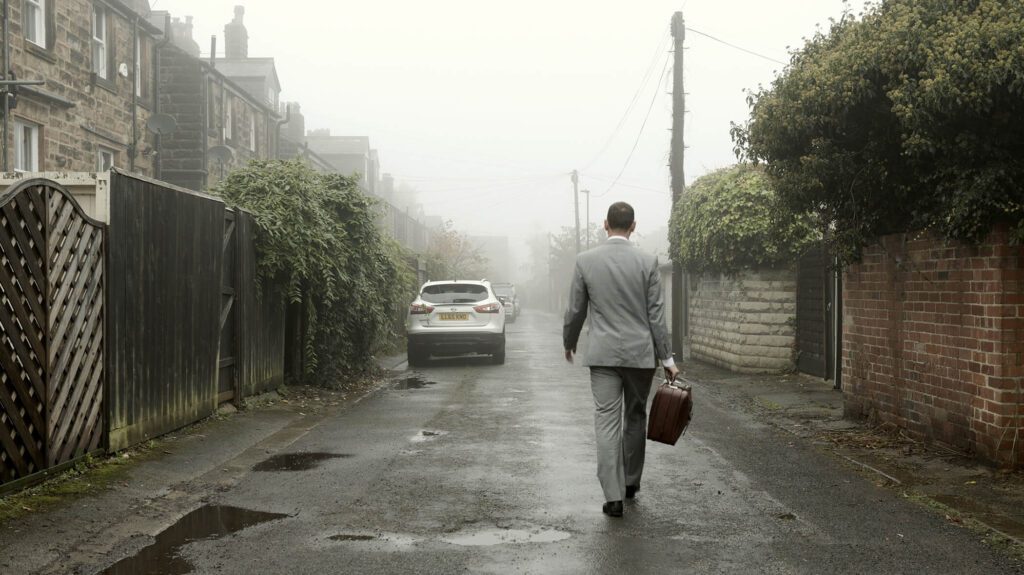
Wide photos provide spatial awareness. They show where things are happening – great for hero banners and establishing a sense of place. These are commonly used for establishing shots, giving the viewer context as to where our story is taking place.
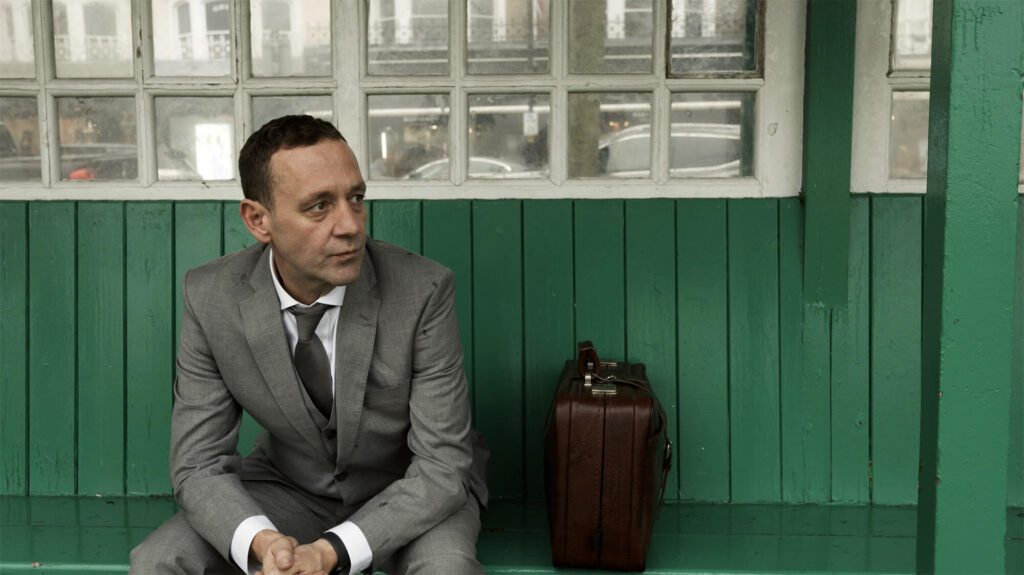
Medium shots are versatile. They showcase people at work, engaging with each other, or with tools and processes. These often form the backbone of internal communications or marketing material.
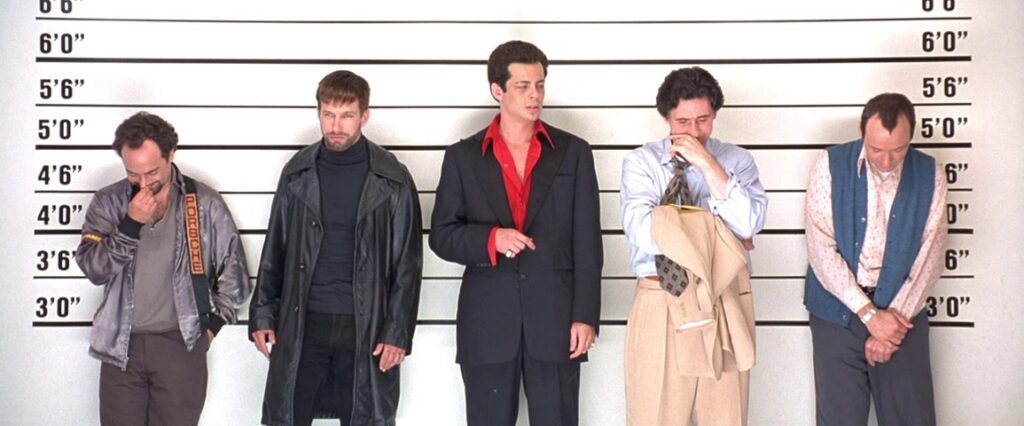
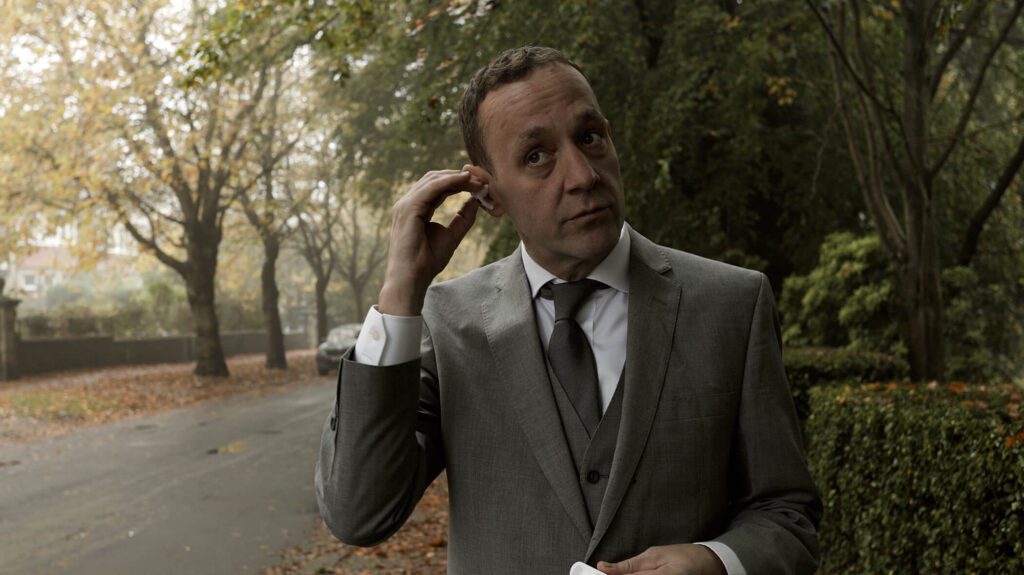
Close-ups inject intimacy and specificity. Whether it’s the texture of hands at work, a logo on a uniform, or the expression on someone’s face, these shots offer emotional punch and detail that elevate the narrative.
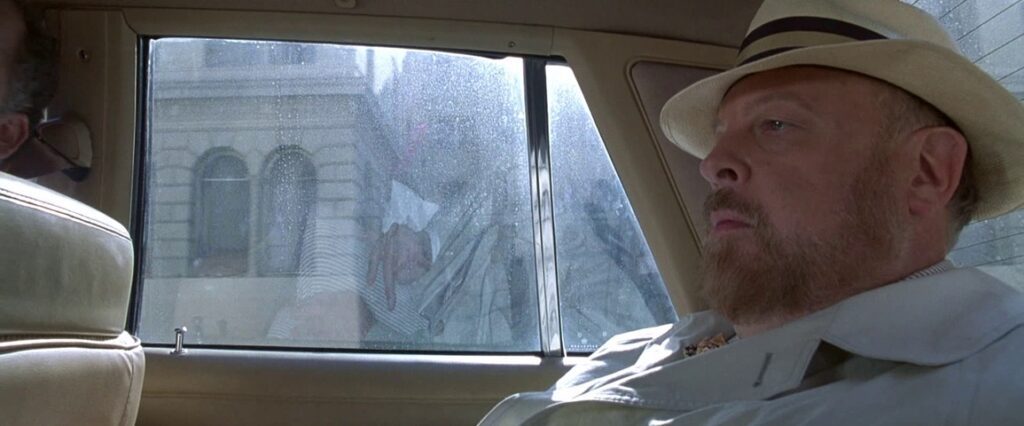
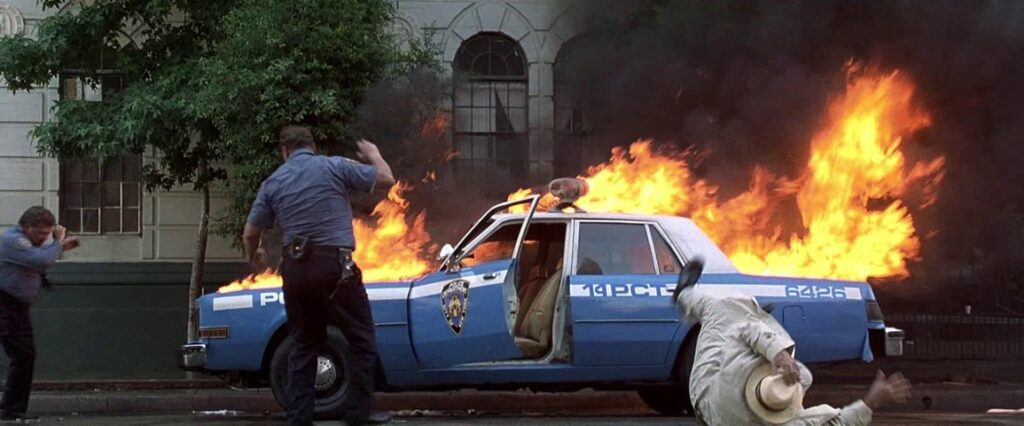
Below are some examples of this in action, from one of my favourite films of all time – The Usual Suspects.

Case Study: Evri – People-Focussed Brand Photography
A perfect example of this storytelling approach in action is my recent Evri brand photography project. Over two days, I captured a wide-ranging image library across two key sites: their flagship distribution hub in Sheffield and their head office in Leeds.
The brief was clear: real people, real environments, and a strong focus on authenticity. The imagery needed to speak to future employees, support internal comms and align with their evolving employer brand. This brief was all about storytelling photography.
By deliberately structuring the shoot with storytelling in mind, I was able to build a cohesive visual narrative through the lens:
1. Establishing Context with Wide Shots
These images helped introduce the audience to the physical environment – whether that was the buzz of the warehouse floor or the modern, collaborative spaces of the head office. The wide compositions also allowed for negative space, perfect for designers to overlay text in recruitment or marketing collateral.

2. Connection Through Medium Shots
The medium shots are critical for showcasing staff in context. Whether they’re interacting with colleagues, receiving packages or getting on the road. These shots bring the staff’s roles to life, showing both the logistics and the human connection that underpin Evri’s service.

3. Intimacy in the Details
Finally, close-up shots of branded uniforms, delivery scanners, and warm expressions help convey personality and pride. These detail images are essential in reinforcing brand identity and communicating values on a more emotional level.
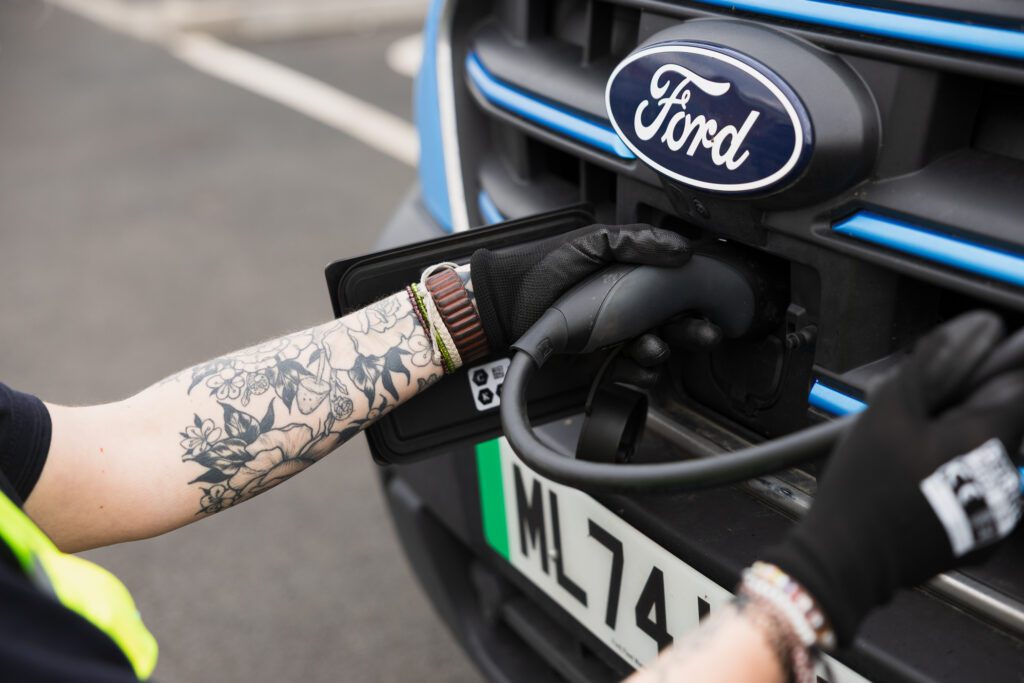
Combined, this triptych approach ensures every photo contributes to a larger narrative – helping Evri tell a story of teamwork, dedication, and real-world impact.
Why Storytelling Photography Matters for Brands
Whether you’re building a careers page, launching a new product, or refreshing your website visuals, using storytelling photography helps your brand stand out. It creates an emotional connection and builds trust.
Recruitment photography, in particular, benefits hugely from this approach. People want to see themselves in your business – to understand the culture, the environment and the people they’ll work with. A strong visual narrative helps them imagine that future.
The Evri image library is a prime example of how this works in practice and the results are already supporting multiple departments from social media to recruitment marketing.



Storytelling Photography Applies to Every Genre
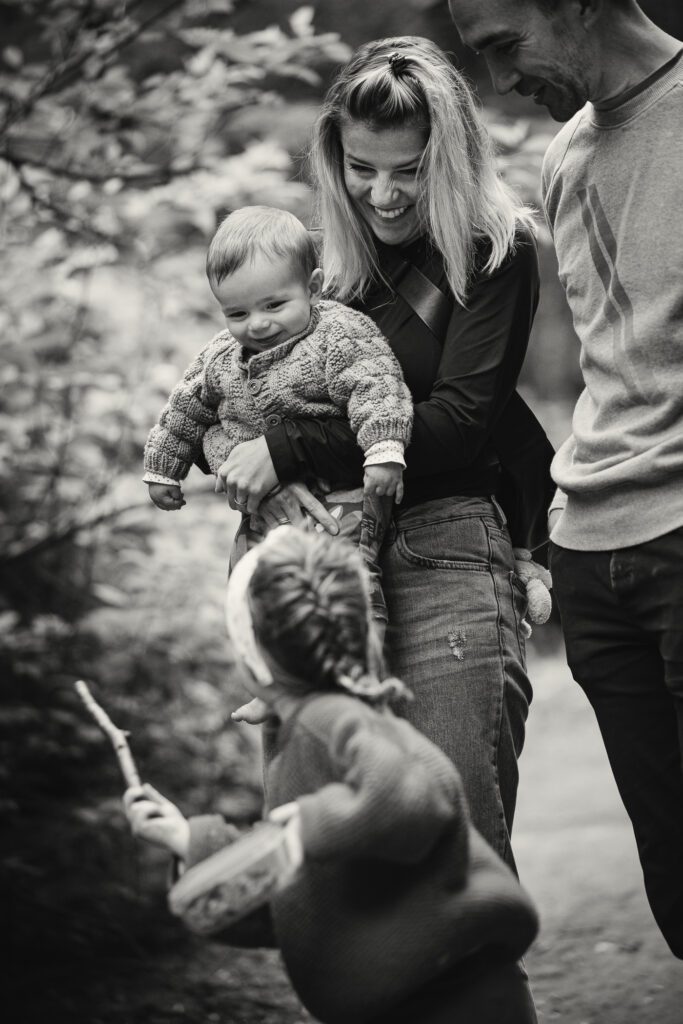
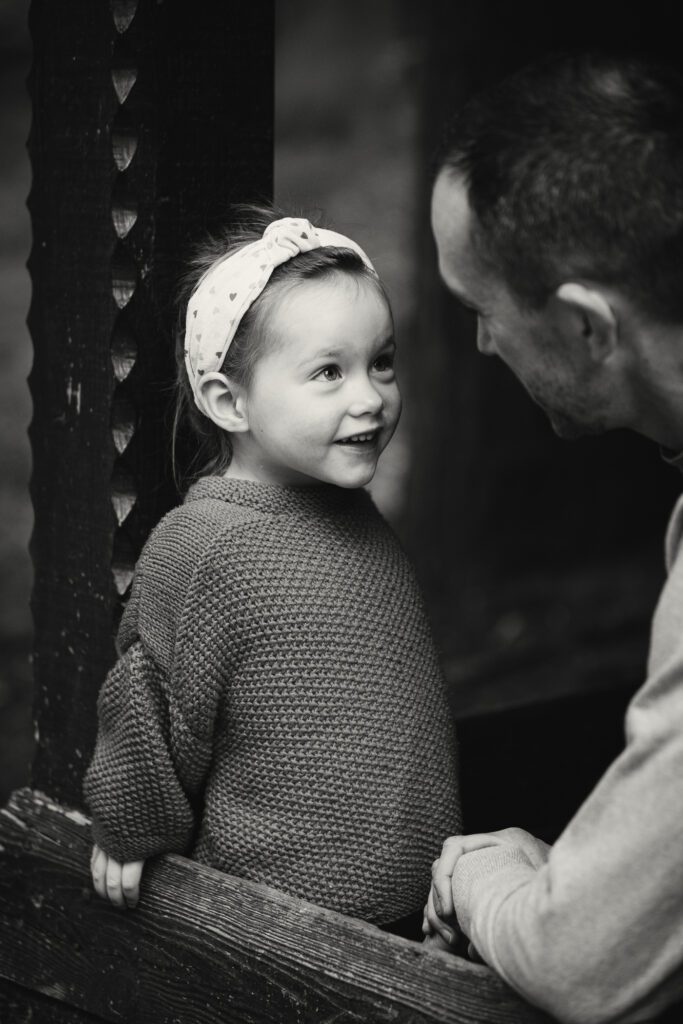
While the examples above focus on a commercial brand shoot, the same storytelling principles can be applied across almost every genre of photography. I shoot a lot of family photography and during those sessions, I’m always thinking about how to capture the unique story of each family I work with.
That might mean documenting the fun and energy of a playful moment, or focusing in on the quiet details that show the bond between family members – a hand being held, a shared glance, a tiny gesture that speaks volumes.
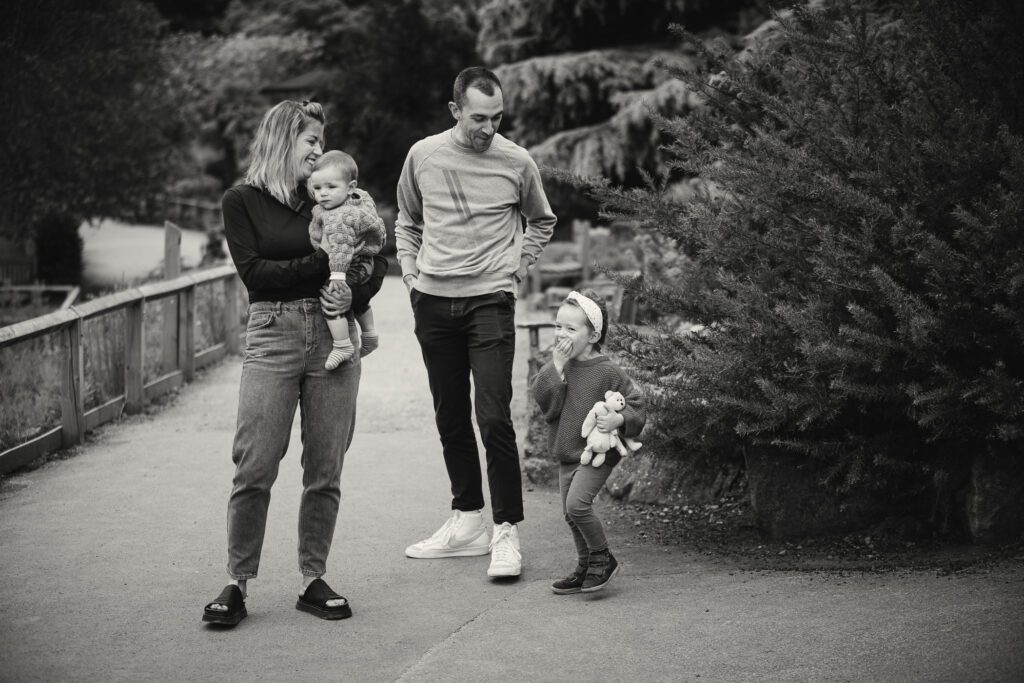
Here’s a quick example of how a range of wide, medium and close-up shots can be used to tell a story during a family shoot.

Going Deeper with Cinematic Storytelling Techniques
While the wide, medium and close-up structure gives a solid framework for building visual narratives, cinematic storytelling goes much further. Filmmakers rely on a range of creative techniques to shape how stories feel, not just how they’re told. Many of these can be adapted to photography to create more engaging, emotionally resonant images.
Here are some key cinematic principles you can draw on when planning and delivering storytelling photography shoots, whether for brands or families:
1. Think in Scenes, Not Just Shots
Rather than treating each photo as a standalone image, try approaching your shoot as if you’re building a scene. Just like in film, a strong story arc – problem, action, resolution – can unfold across a sequence of stills.
During this family session, we arrived to find it pouring with rain. But instead of letting the weather spoil the shoot, we leaned into it and it transformed the experience. The children ran with umbrellas, jumped in muddy puddles, and completely embraced the moment. Each image tells its own story, but together they create a narrative full of energy, resilience, and joy.
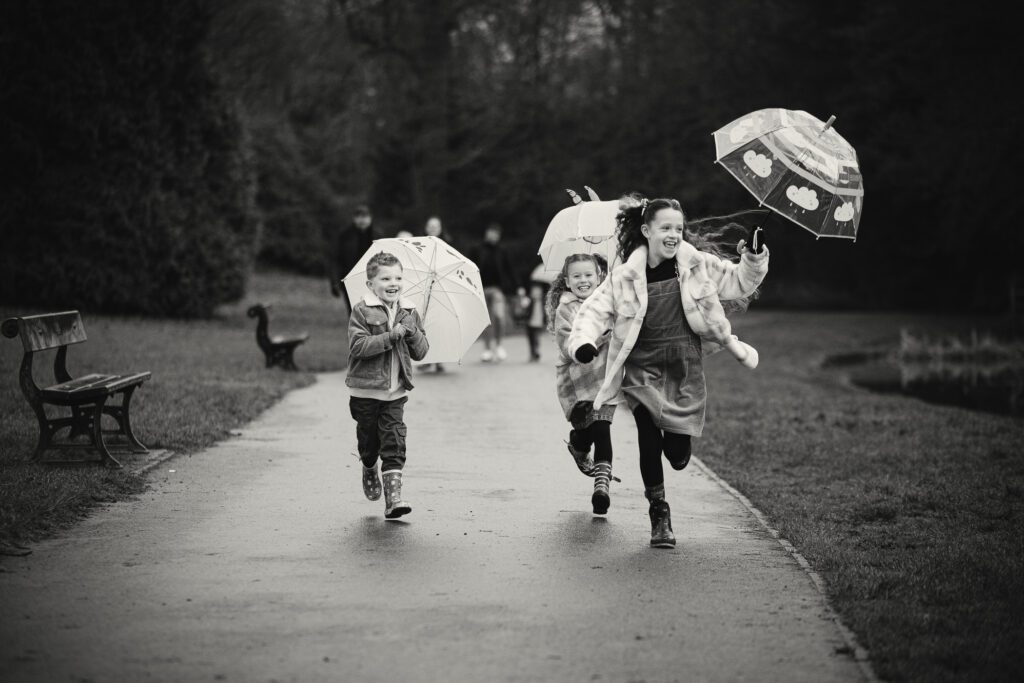
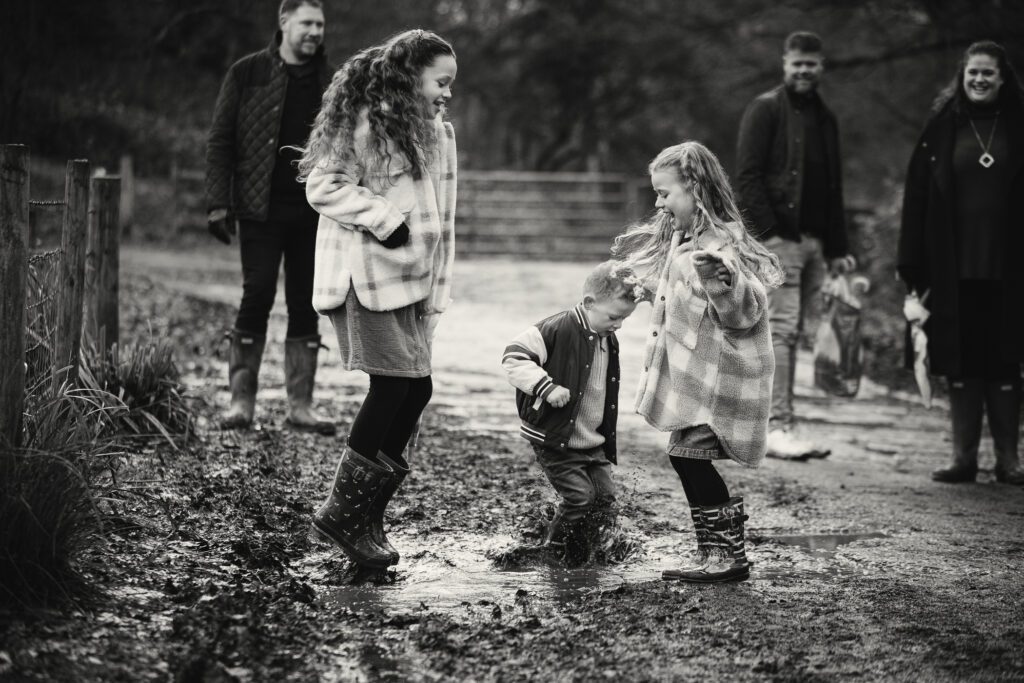

This kind of scene-based thinking turns a collection of images into a cohesive story – one that feels real, lived-in, and emotionally rich.
2. Hit Emotional Beats
Cinematic storytelling often hinges on emotional rhythm – moments of joy, tension, quiet, or reflection that connect the audience to the characters. The same principle applies to storytelling photography, capturing not just what’s happening, but how it feels.
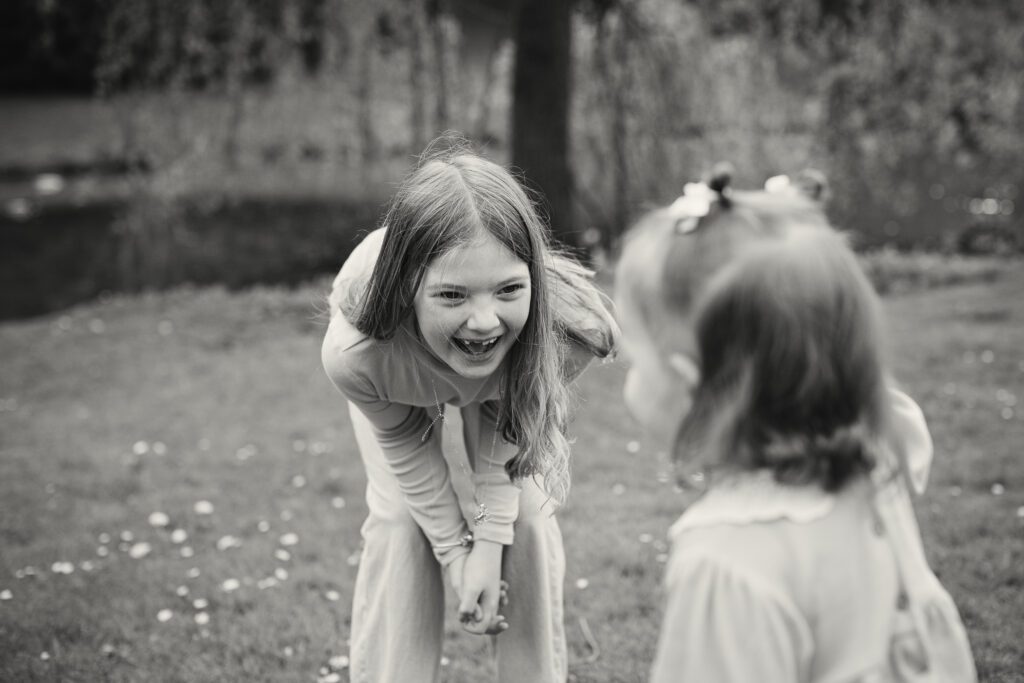
During a shoot, I’m always looking for those emotional beats. That might be a big, infectious laugh as a child runs through a field, or a quiet, tender moment when they pause, overwhelmed or upset. These contrasting emotions add depth and honesty to the final set of images. Together, they tell a fuller story of what it means to be a family: not just the highlights, but the real, raw, beautiful in-betweens.
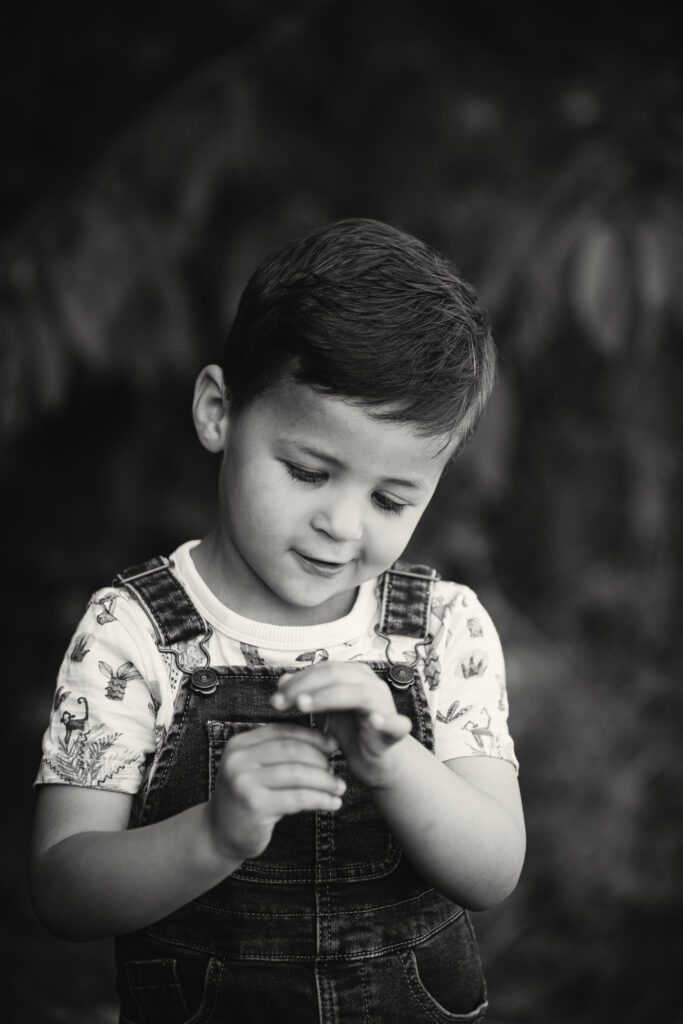

3. Use Light and Colour to Reinforce Mood
Cinematographers use light and colour to guide the audience’s emotional response. Bright, even lighting might convey optimism or energy, while moody, directional light can suggest introspection or intensity.
When I shoot, I consciously use natural and ambient light to shape the tone of the story I’m telling. A sunlit park during a family shoot naturally brings warmth and connection. A warehouse filled with cool tones and contrast can signal focus, productivity, and scale. Light is more than technical—it’s emotional.
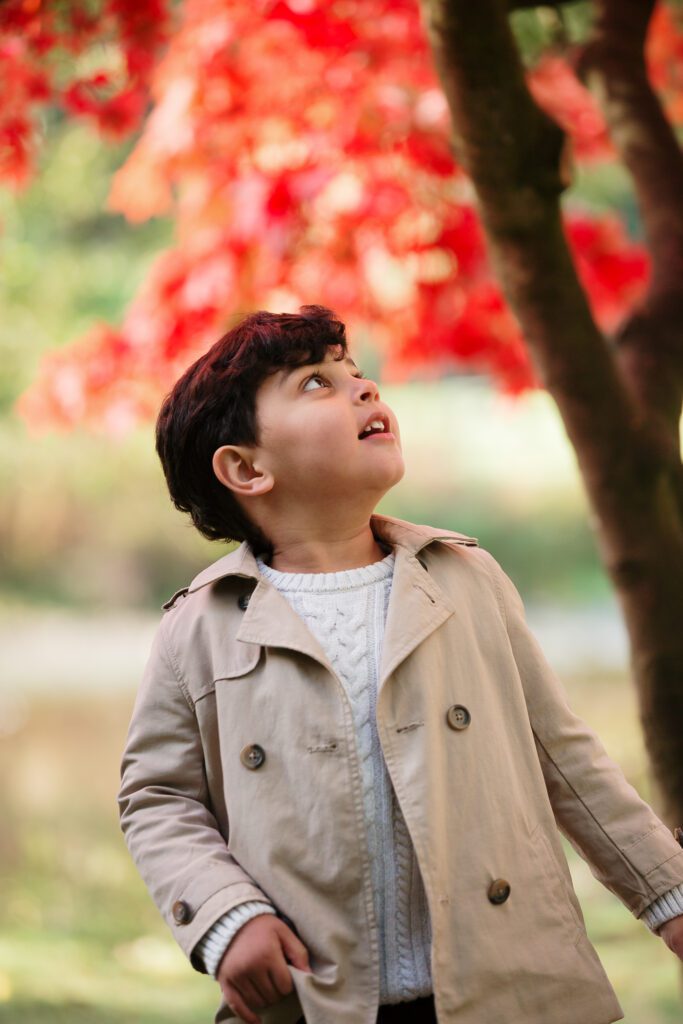

4. Choose a Point of View
In film, deciding whose perspective the audience is seeing the world from is fundamental. Are we observing from the outside, seeing through the protagonist’s eyes, or immersed in the action?
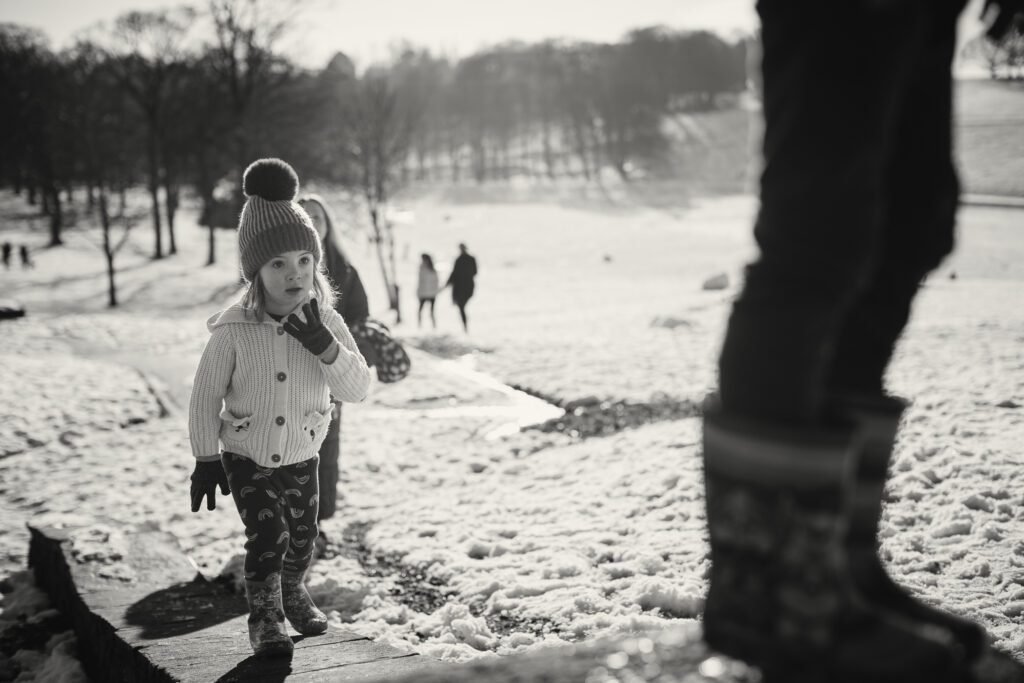
Photography allows for similar creative choices. Shooting from a low angle can empower the subject; shooting over-the-shoulder invites the viewer into a private moment. During a family shoot, I’ll often get down to a child’s eye level – it’s a simple shift that instantly changes the emotional connection of an image.
Point of view shapes how the audience feels about your subject, whether it’s a CEO at a desk or a toddler playing in the snow.
5. Use Repetition and Visual Motifs
Great filmmakers often use visual motifs – repeating symbols, colours or shapes – to reinforce themes and tie a story together. Photography can use this idea too.
In the Evri project, we leaned on recurring visual elements like branded blue, uniform textures, and consistent framing of hands at work. These subtle motifs gave the full image library a sense of unity and identity.


For family shoots, it might be the repetition of touch – hands holding, reaching, supporting – or a favourite toy that appears throughout the session. These motifs help build narrative and emotional continuity.
Putting it All Together
These storytelling tools go beyond simple coverage. They help craft a photographic experience that feels intentional, emotional, and cinematic – no matter the subject matter. Whether I’m working with a brand, a family, or a creative team, I use these principles to build stories that connect.
Bringing the Same Principles to Video
If you’re interested in going one step further, my videography services are built on the same narrative approach. In fact, the reason I started making films was because of a desire to tell stories. Whether you need a short brand film or a day-in-the-life recruitment video, I combine structured storytelling with candid realism to create authentic visual content that resonates.




Just like in photography, I build my shot lists around wide, medium, and tight compositions – because great storytelling doesn’t depend on format, it depends on intent.

Let’s Tell Your Story
If you’re planning a brand refresh, launching a campaign, or simply want to build a more authentic image library, I’d love to help. Whether through photography, videography, or both, my approach is grounded in storytelling and driven by strategy.
Explore more of my brand and commercial work or get in touch to discuss your next project.


