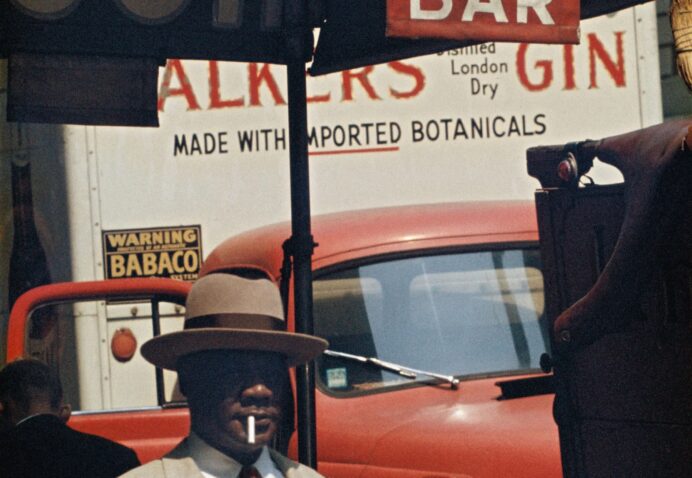
Shadow & Light is a list of curated photography stories, features, techniques, news and inspiration that I’ve come across this month.
In this edition we step into the secret nightlife of 1930s Paris, explore a remarkable archive of contact sheets left behind by Peter Hujar, revisit the history of one of photography’s most extraordinary instant cameras, and celebrate 200 years of photographic innovation through some of the most influential cameras ever made. From lost archives and iconic machines to hidden worlds illuminated after dark, this month’s selection explores the stories behind the images as much as the photographs themselves.
So, with no further ado, I give you this month’s Shadow & Light Monthly. Go grab yourself a cuppa and enjoy this month’s selections below. Please let me know in the comments what you think.
‘When nothing was taboo’: 10 intimate images of a lost, decadent 1930s Paris

Paris has long inspired photographers, but this fascinating feature from the BBC shines a light on a side of the city rarely seen today. Drawing from the work of photographers including Brassaï, the article explores the hidden nightlife of Paris during the 1920s and 1930s, a world of cabarets, dance halls, bars and backstreets that came alive after dark.
What I love about these images is their atmosphere. Shot in an era when low-light photography was far more challenging than it is today, they are filled with deep shadows, pools of light and a sense of mystery that feels genuinely cinematic. The photographs transport you into a world that feels both glamorous and slightly dangerous, where every doorway and street corner hints at a story waiting to unfold.
Many of the images blur the line between documentary photography and visual storytelling. While they serve as valuable historical records of a vanished Paris, they are also beautifully composed works in their own right. Looking through them, it is easy to see why photographers continue to be drawn to the city and its streets nearly a century later.
For more on these remarkable photographs and the stories behind them, read the full feature on BBC Culture.
Additional reads
Exhibit Uncovers the 5,783 Contact Sheets Photographer Peter Hujar Left Behind

Contact sheets have always fascinated me (if you haven’t read Magnum Contact Sheets I highly recommend it). They offer a rare glimpse into a photographer’s thought process, revealing not just the final image but the decisions, experiments and near misses that led to it. This recent PetaPixel article explores an exhibition built around the astonishing archive left behind by Peter Hujar, comprising 5,783 contact sheets discovered after his death.
Hujar is best known for his intimate black-and-white portraits of artists, performers and members of New York’s downtown creative scene during the 1970s and 1980s. The contact sheets reveal the breadth of his practice, documenting everything from celebrated cultural figures to quiet street scenes, animals, landscapes and deeply personal moments. Rather than presenting only polished final works, the exhibition invites viewers into the editing process itself, showing how photographs evolve from observation to finished image.
What makes this archive so compelling is the insight it provides into Hujar’s eye. Looking across multiple frames, you begin to see the subtle shifts in composition, expression and timing that transformed a good photograph into a great one. It’s a powerful reminder that photography is often as much about selection and judgement as it is about pressing the shutter.
For more on the exhibition and Hujar’s remarkable archive, read the full feature on PetaPixel.
This Fridge-Sized Polaroid Camera – Used by Andy Warhol, Ansel Adams and Sally Mann – Has Been Restored and is Touring the World with Modern Artists
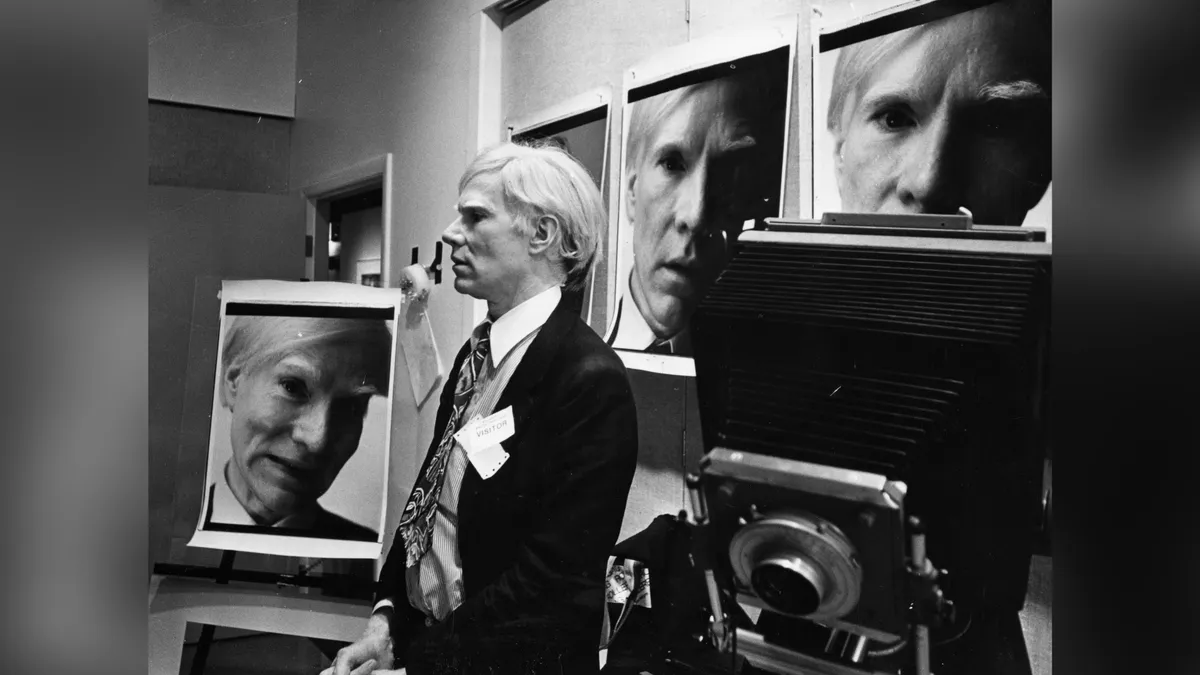
Some cameras are tools, some become icons, and few are as instantly recognisable as the enormous Polaroid 20×24. This fascinating article from Digital Camera World tells the story of one of these refrigerator-sized instant cameras, recently restored and returned to active use after decades of photographic history. Originally built in the late 1970s, the camera became a favourite of artists and photographers including Andy Warhol, Ansel Adams and Sally Mann, all drawn to its ability to produce stunning one-off instant prints measuring an incredible 20 by 24 inches.
What fascinates me most is the sheer scale of the process. At a time when photography is increasingly viewed through phone screens and social media feeds, there is something wonderfully absurd and beautiful about a camera that requires a team of people to operate and produces unique prints large enough to dominate a wall. The resulting images have a physical presence that is impossible to replicate digitally, making each photograph feel more like an object than simply a picture.
The restoration project has also given contemporary artists the opportunity to experiment with this remarkable machine, creating new work while connecting with a rich photographic lineage. It is a reminder that photography’s history is filled with extraordinary tools and processes, many of which still have the power to inspire fresh creative ideas decades later.
For more on the restoration of this remarkable camera and the artists using it today, read the full feature on Digital Camera World or you can watch the video below.
These Are the Most Important Cameras of All Time – 200 Years of Photography from 1826 to 2026

As photography celebrates its 200th anniversary, this fascinating article from Amateur Photographer looks back at some of the most important cameras ever created. Spanning two centuries of innovation, the feature traces the evolution of photography from the earliest experiments of the 1820s through to the digital and mirrorless systems of today, highlighting the cameras that changed not only how photographs were made, but who could make them.
What I particularly enjoyed about this retrospective is that it goes beyond technical specifications and focuses on impact. Cameras such as the Leica I, the Kodak Brownie and the Nikon F didn’t just introduce new technology, they fundamentally altered the direction of photography. Whether making cameras more affordable, more portable or more capable, each helped open the medium to new audiences and new forms of creative expression.
Reading through the list also reminded me how quickly photographic technology has evolved. Many of the cameras featured were once considered revolutionary, yet today their capabilities are surpassed by devices we carry in our pockets. Despite that, the core appeal remains unchanged: using light, timing and composition to tell stories and preserve moments. The tools may change, but the creative impulse remains remarkably consistent.
For a journey through two centuries of photographic innovation, read the full feature on Amateur Photographer.
Bonus Read: Introducing SEND-Friendly Family Photography

Before we wrap up, I wanted to share something a little closer to home. This month I launched my new SEND-Friendly Family Photography sessions, designed specifically for families with children who may find traditional photography sessions overwhelming or challenging.
These relaxed, child-led sessions allow extra time, flexibility and preparation, helping children feel comfortable and able to engage on their own terms. The aim isn’t perfect poses or forced smiles, but creating a supportive environment where families can simply spend time together and come away with authentic photographs that reflect who they really are.
It’s something I’ve been working on for a little while so I’m excited to share it. You can read more about the service and the thinking behind it in my blog post: Introducing SEND-Friendly Family Photography Sessions in Leeds & Yorkshire.
Until next time…
I hope you enjoy the articles above. Don’t forget you can follow my Shadow & Light magazine over on Flipboard if you’d like to see more of what I’m reading if you like what you’ve seen here.
Shadow & Light Magazine
Shadow & Light is a list of curated photography stories, features, techniques, news and inspiration that I maintain on Flipboard. It’s a great way to create myself a ‘read later’ list. Feel free to follow the magazine for updates or keep an eye on my blog where I regularly post Shadow & Light monthly highlights.