Shadow & Light is a list of curated photography stories, features, techniques, news and inspiration that I’ve come across this month.
In this edition we venture beneath the waves to discover extraordinary underwater worlds, revisit Kodak’s enormous photographic displays at New York’s Grand Central Terminal, explore the creative possibilities of photographing familiar places after dark, and uncover a remarkable archive of Detroit street photography hidden away for decades. From forgotten negatives to changing perspectives, this month’s selection celebrates photography’s ability to reveal the extraordinary in both familiar and unfamiliar places.
So, with no further ado, I give you this month’s Shadow & Light Monthly. Go grab yourself a cuppa and enjoy this month’s selections below. Please let me know in the comments what you think.
These Extraordinary Underwater Photographs Take You to Places You’ll Almost Certainly Never See for Yourself

French underwater photographer Laurent Ballesta has spent much of his career exploring some of the most remote and inaccessible environments on Earth. From the frozen waters of Antarctica to the depths of the Mediterranean, his extraordinary photographs reveal an underwater world that few of us will ever experience firsthand. Featured in Amateur Photographer, his exhibition and accompanying book, Far from the Sky, bring together around fifteen years of exploration, scientific discovery and remarkable photography.
What I particularly love about Ballesta’s work is how he approaches the ocean as an entire landscape rather than simply a collection of marine creatures. His photographs reveal vast underwater cliffs, extraordinary geological formations and wildlife within their natural environments. Some images are almost abstract, while others feel like scenes from another planet. His spectacular photograph of an Antarctic iceberg, assembled from 147 individual images, is a wonderful example of the extraordinary lengths he goes to in order to capture these otherwise invisible worlds.
Perhaps most fascinating is Ballesta’s belief that discovery matters more than the photograph itself. Despite the enormous technical challenges involved, he remains driven by the excitement of seeing something for the first time. It’s an inspiring approach to photography, reminding us that curiosity and a willingness to explore are often just as important as the equipment we carry.
For more on Laurent Ballesta’s extraordinary underwater photography, read the full article on Amateur Photographer.
Additional reads
A Family Packs Up a Station Wagon, Water Skiers Race Towards the Lens, and Astronauts Walk on the Moon: These Giant Kodak Photos Once Lit Up Grand Central Terminal and Revisiting Them Today Is a Strange and Unsettling Experience


For forty years, visitors passing through New York’s Grand Central Terminal were greeted by an extraordinary photographic spectacle. Kodak’s enormous Colorama displays, measuring an incredible 60 feet wide and 18 feet tall, transformed everyday scenes into monumental panoramic photographs. This fascinating article from Digital Camera World explores a new two-volume book, KODAK COLORAMA Archive, which brings together 287 of these remarkable images, offering a nostalgic glimpse into American life between 1950 and 1990.
The photographs themselves are wonderful examples of both technical achievement and carefully constructed visual storytelling. From idyllic family holidays and glamorous water skiers to historic images of the Moon landings, Kodak presented an idealised vision of American life designed to inspire people to capture their own memories. Producing photographs at this scale was an extraordinary undertaking, requiring specialised large format cameras, enormous transparencies and even a repurposed swimming pool for processing. Looking back today, there’s something fascinating about how these images combined photographic artistry with advertising on such an ambitious scale.
It’s particularly interesting to revisit these enormous panoramic photographs at a time when film photography is enjoying renewed attention, including a growing interest in panoramic formats. The recently announced WideluxX panoramic film camera developed with actor and photographer Jeff Bridges is a great example of that resurgence. There’s clearly still an appetite for the distinctive character and creative possibilities of shooting wide on film, even in our increasingly digital world. And while Kodak’s Coloramas were ultimately elaborate advertisements, they remain a wonderful celebration of photography’s ability to capture our imagination.
For more on these remarkable panoramic photographs and the newly published archive, read the full article on Digital Camera World.
Night Photography: Turn Everyday Places Into Art
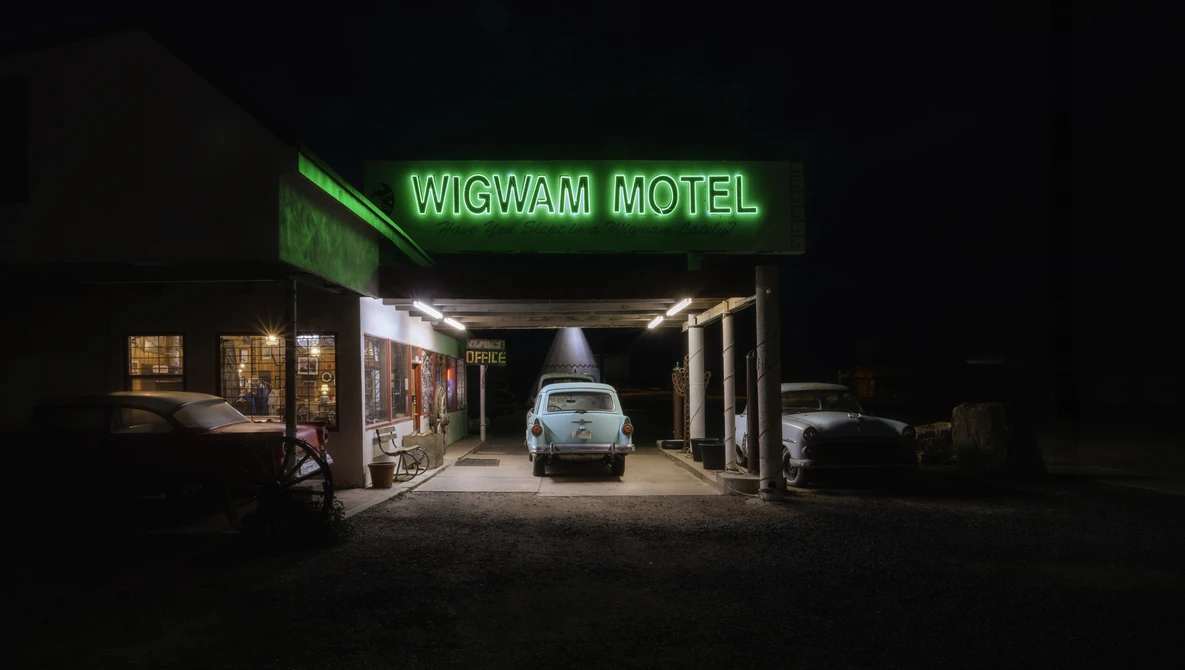
There’s something magical about how familiar places can become completely transformed after dark. In this thoughtful article from Fstoppers, photographer Justin Tedford explores how ordinary locations, from petrol stations and empty car parks to quiet streets and illuminated shopfronts, can take on an entirely different character at night. Places we might walk past without a second glance during the day suddenly become atmospheric, cinematic scenes filled with colour, contrast and mystery.
What I particularly like about this approach is the way darkness simplifies a composition. During daylight hours, a scene might be cluttered with distractions, but at night those unwanted details disappear into shadow, leaving isolated pools of light to guide the viewer’s eye. Artificial lighting introduces unexpected colour combinations, while the contrast between illuminated subjects and deep shadows creates a wonderful sense of atmosphere. It’s a great reminder that interesting photography doesn’t always require an extraordinary location.
Tedford also offers some practical advice, encouraging photographers to embrace the darkness rather than fight against it. Exposing for highlights, experimenting with white balance and taking time to scout familiar locations can all reveal opportunities that might otherwise go unnoticed. It’s the kind of article that makes you want to pick up your camera and head out after sunset, simply to see your surroundings in a different light.
For more inspiration and practical advice on transforming everyday locations after dark, read the full article on Fstoppers.
A Student Photographer Wandered the Streets of Detroit With a Camera in 1972, Then Left the Negatives in Storage for Four Decades. Now They’re an Award-Winning Exhibition, and That Teaches Us Something Profound About Viewing Our Old Work

In 1972, a young photography student named Dave Jordano spent a year wandering the streets of Detroit and its surrounding communities, documenting everyday life with his 35mm camera. Although he kept the negatives, much of the work remained unseen for decades as he pursued a successful career in commercial and fine art photography. When he rediscovered the archive in 2013, he was surprised by what he found. Now, more than fifty years after the photographs were taken, a selection has received recognition through an award-winning exhibition titled The Year I Arrived, as explored in this fascinating article from Digital Camera World.
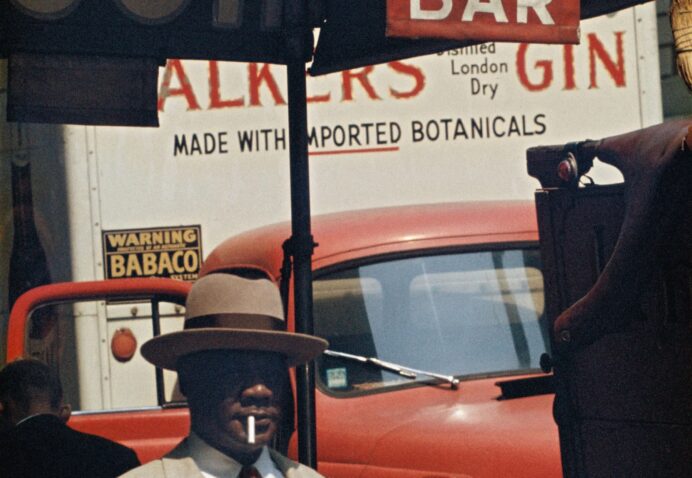
What makes these photographs so compelling is their wonderfully direct and unguarded portrayal of ordinary people. From diners and neighbourhood shops to motorcycle club members and political gatherings, Jordano captured a remarkable cross-section of American life during a period of significant social change. Many of his subjects look directly into the camera, creating a sense of connection that makes the images feel surprisingly immediate despite their age. There’s a warmth and honesty to the work that reminds me why documentary and street photography remain so powerful.
I also love the wider message behind this rediscovery. As photographers, we’re often our own harshest critics, particularly when looking back at work created earlier in our careers. Images we once dismissed can take on entirely new significance with the passage of time, both because our own perspectives change and because the world around us moves on. Jordano’s story is a wonderful reminder of the importance of preserving our photographic archives and occasionally taking the time to revisit them. You never know what you might rediscover.
For more on Dave Jordano’s remarkable rediscovered archive, read the full article on Digital Camera World.
Until next time…
I hope you enjoy the articles above. Don’t forget you can follow my Shadow & Light magazine over on Flipboard if you’d like to see more of what I’m reading if you like what you’ve seen here.
Shadow & Light Magazine
Shadow & Light is a list of curated photography stories, features, techniques, news and inspiration that I maintain on Flipboard. It’s a great way to create myself a ‘read later’ list. Feel free to follow the magazine for updates or keep an eye on my blog where I regularly post Shadow & Light monthly highlights.