As a filmmaker, there are some projects that stay with you long after you’ve packed your camera away.
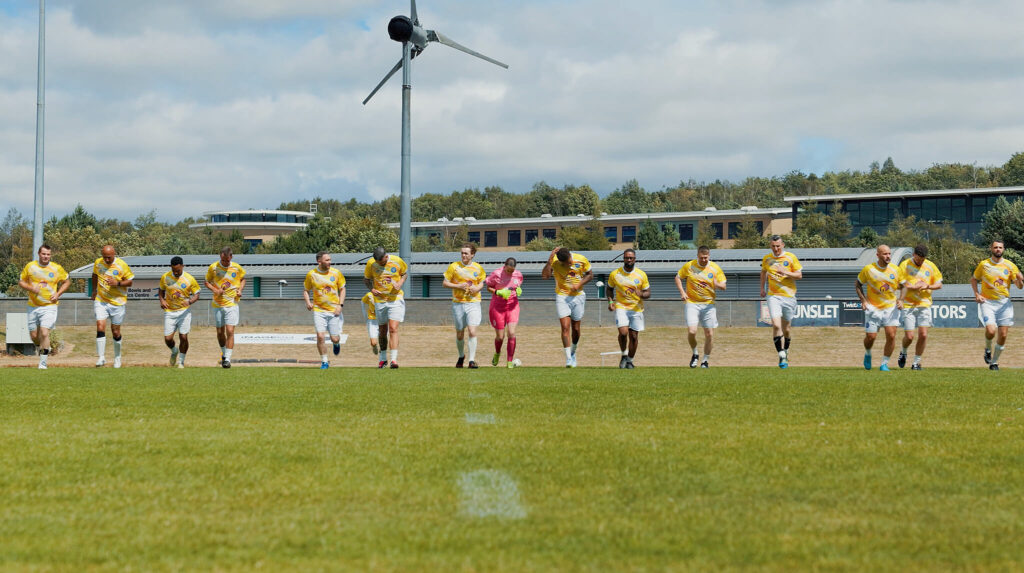
A few weeks ago I had the privilege of filming the fifth Elliot James Bransby Memorial Shield here in Yorkshire, an incredible annual charity football event raising funds for Martin House Children’s Hospice. On the surface, it was a football match featuring Leeds United legends, former professionals, celebrities and supporters. But from the moment I spoke to organiser David Bransby, I knew the real story wasn’t going to be found in the goals or the tackles, but why everyone was there.
A different story to tell
David didn’t ask me for a traditional highlights film. He simply gave me free rein to tell the story as I saw it, and trusted me to get it right.
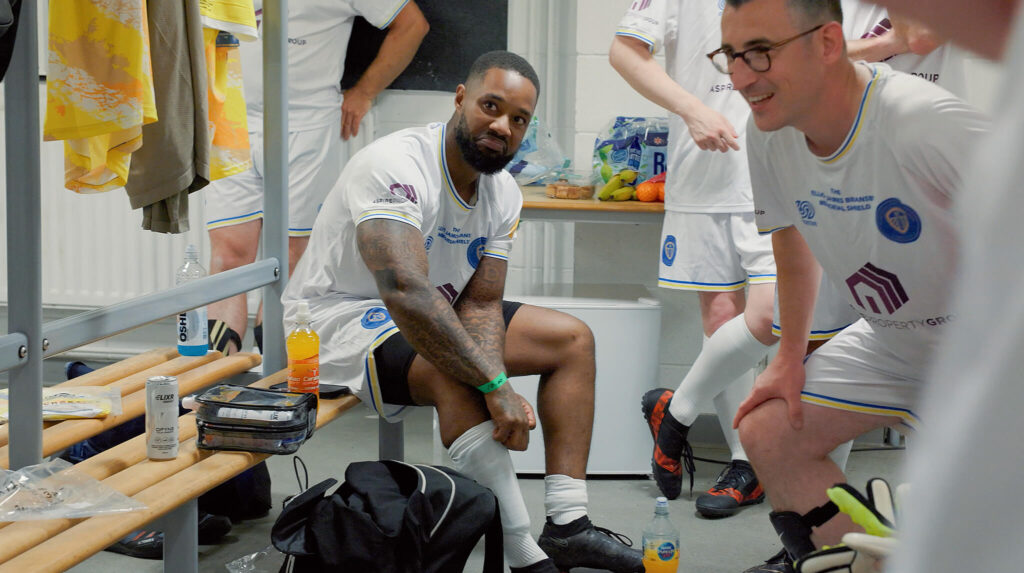
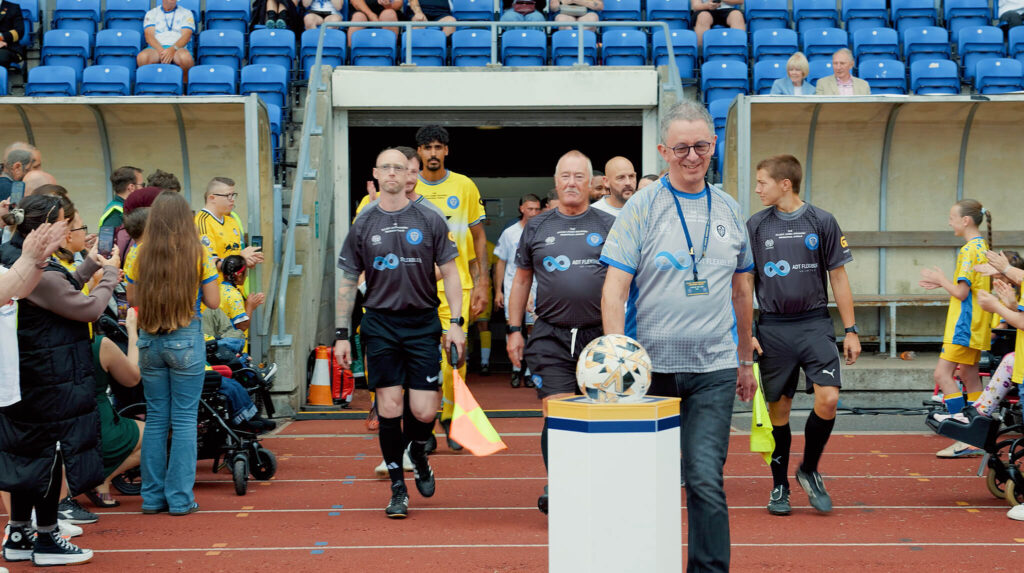
That immediately ruled out producing five minutes of football action set to music. There were already hundreds of people around the ground with phones capturing goals and celebrations. What they couldn’t capture were the moments happening behind the scenes – the conversations, the anticipation and the reason this event keeps bringing so many people together year after year.
The football became the backdrop. The story became the people.
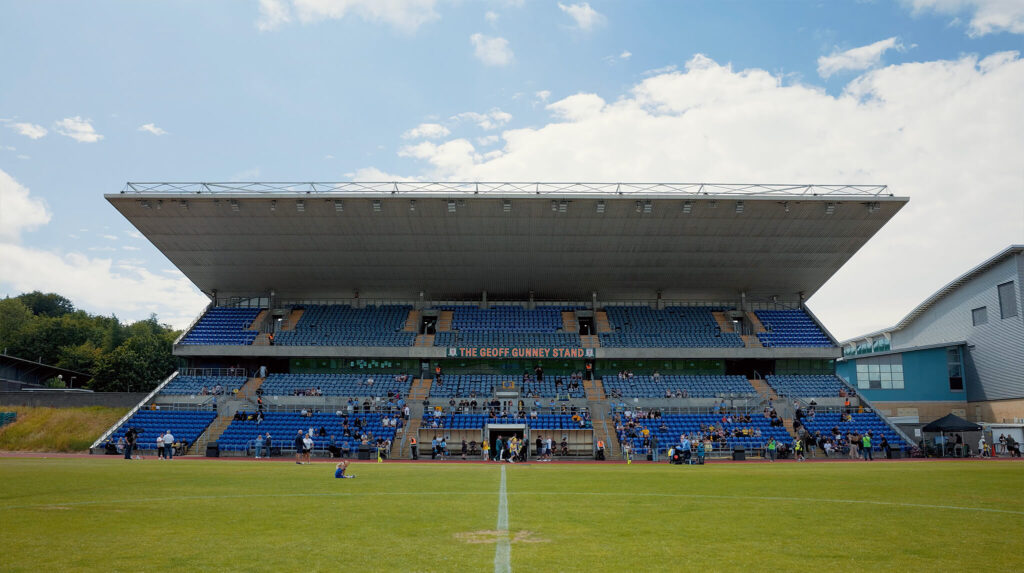
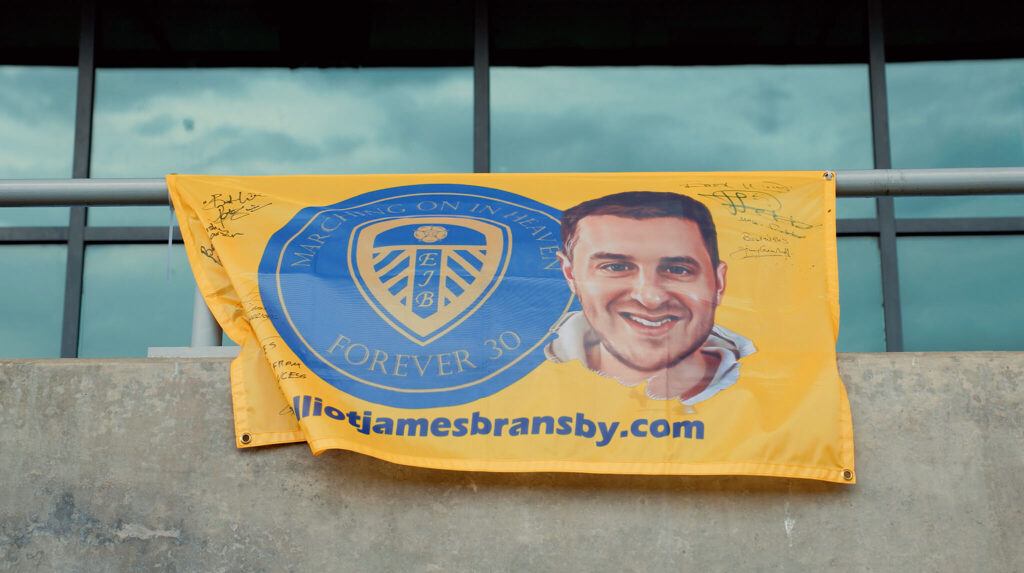
Where the story really started
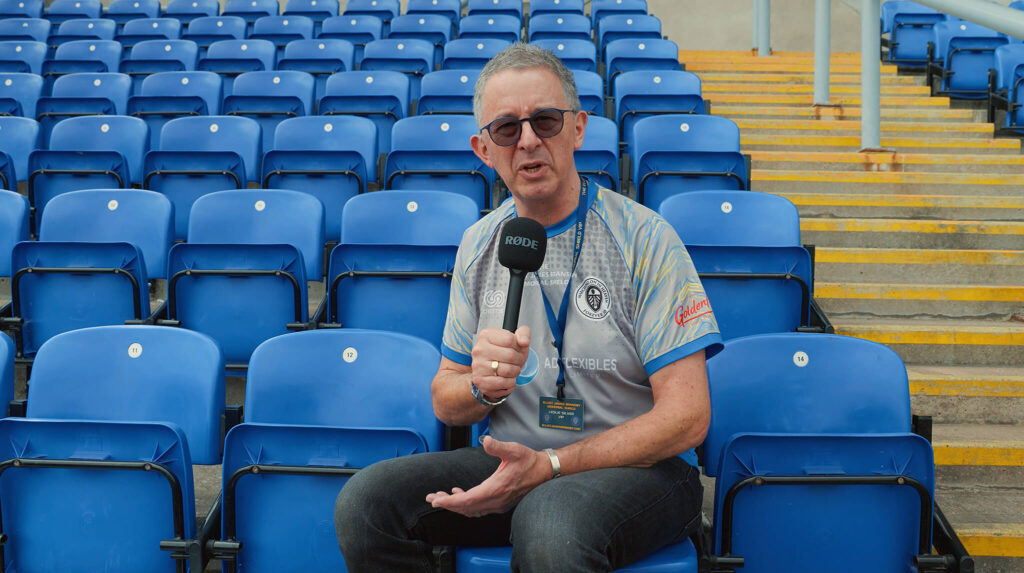
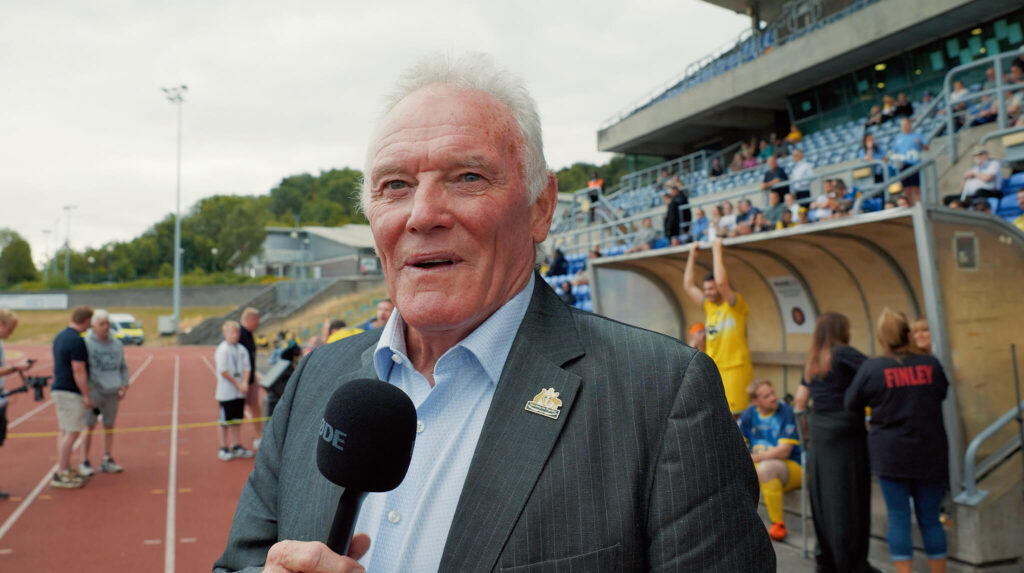
One of the first things I did after arriving was take David away from the activity for a quiet interview before the public arrived.
Rather than filming him pitch-side, I asked him to sit alone in an otherwise empty stand.
The empty seats weren’t accidental. I wanted the location to reinforce the reflective nature of the conversation and create a visual contrast to the thousands of moments that would follow once the stadium came to life.
David spoke openly about Elliot, about how the event had grown over the past five years and about what it means to continue keeping his son’s memory alive while raising money for Martin House Children’s Hospice.
During the edit, I kept coming back to that interview.
Instead of placing it all at the beginning, I used extracts throughout the film before returning to David, sitting alone in the stand, just as the film appears to be ending. It’s a deliberate “false ending” that allows the audience one final moment to pause and reflect as David talks about what Elliot might have made of seeing how much the event has grown.
For me, that interview became the emotional anchor for the entire film. It bookends the story and quietly reminds the audience that, beyond everything happening on the pitch, this event exists because of one father’s determination to keep his son’s memory alive.
Capturing the story as it happened
From a production point of view, I made a conscious decision to keep things as simple as possible.
Rather than using a gimbal, I filmed almost the entire day handheld. That allowed me to move freely around the ground, blend naturally into the event and react instantly whenever something unfolded in front of me.
It also suited the documentary style I wanted to achieve – the slight movement of a handheld camera helps the audience feel like they’re there alongside the people taking part, rather than watching from a distance.
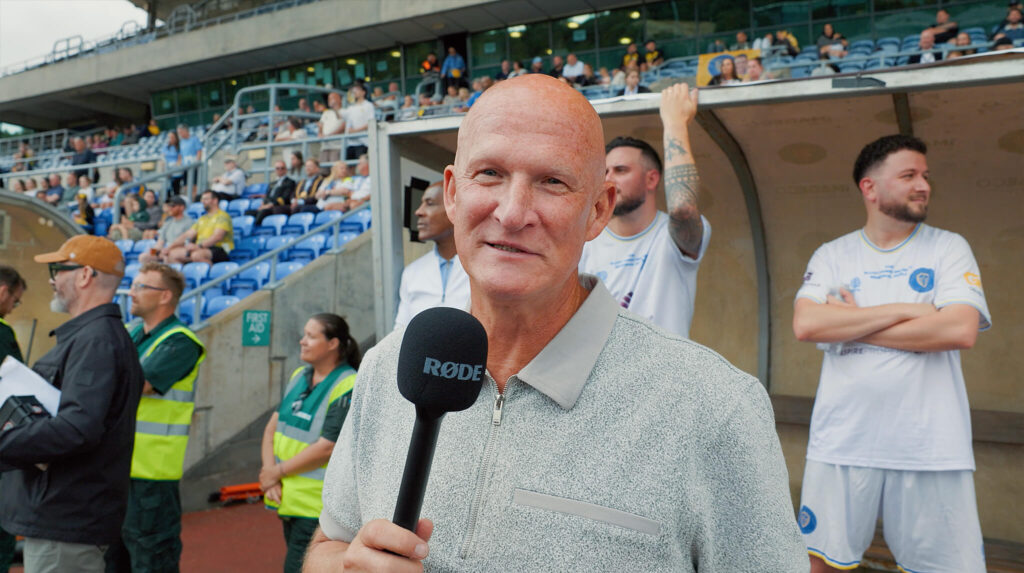
Throughout the day I recorded natural ambient sound using a Rode VideoMic NTG mounted on the camera. Whenever I wanted to capture interviews, I could quickly swap over to my Rode Wireless Pro system with a handheld reporter microphone, allowing me to grab authentic conversations with players, organisers and volunteers without interrupting the flow of the day.
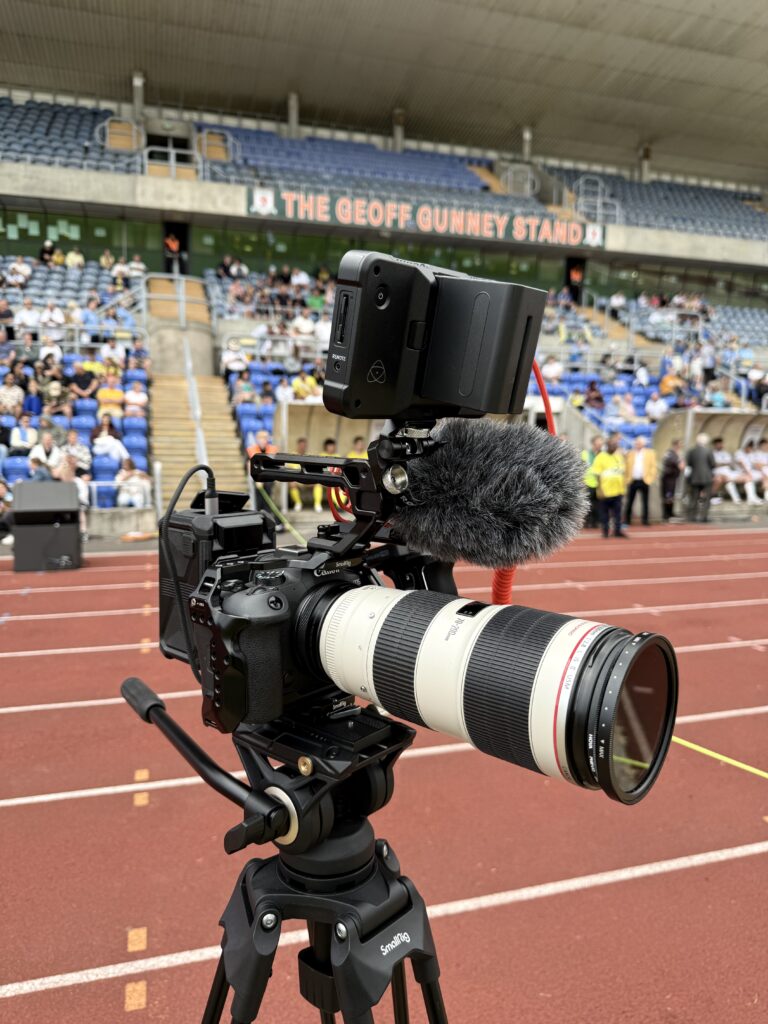
The only time the camera came off my shoulder was during the match itself, where I mounted it to a fluid-head video tripod and used a 70-200mm lens to capture a selection of longer telephoto shots that would provide context within the final edit.
That agile workflow meant I could work entirely on my own while never feeling like I was missing moments because I was wrestling with equipment.
More than just a Leeds United fan’s dream day
Away from the filmmaking itself, there were a few moments I’ll remember for a long time.
As a huge Leeds United fan, finally meeting Eddie Gray was undoubtedly a personal highlight. He’s a genuine club legend and someone whose contribution to Leeds United goes far beyond what he achieved on the pitch.
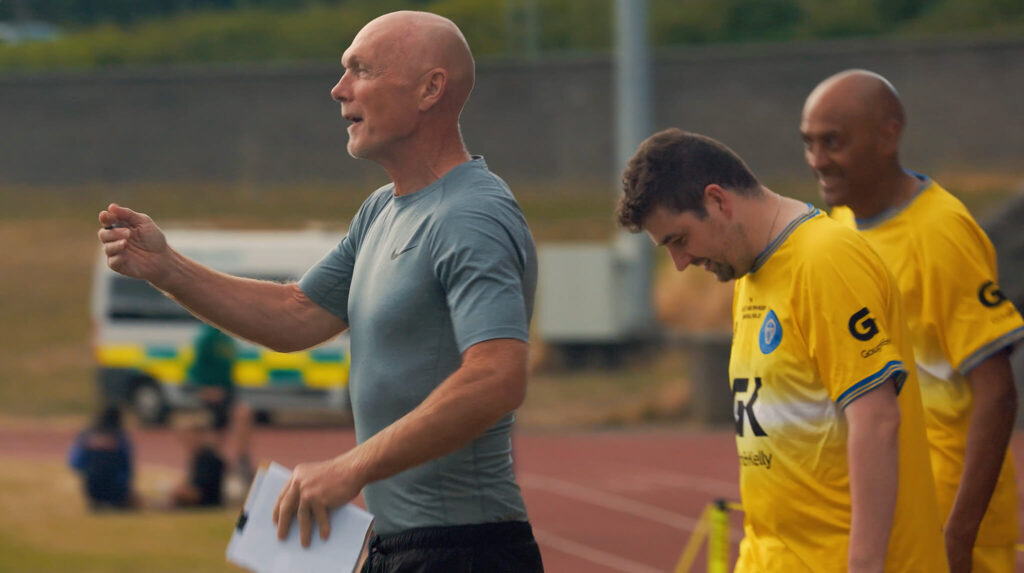
It was also a pleasure to meet former Leeds United manager Simon Grayson, along with Peter “Stix” Lockwood – a lifelong servant of Leeds United whose dedication to the club has spanned more than six decades. Marcelo Bielsa famously described him as “the bridge” between Leeds United and its supporters, and it’s easy to see why he’s held in such affection by generations of fans.
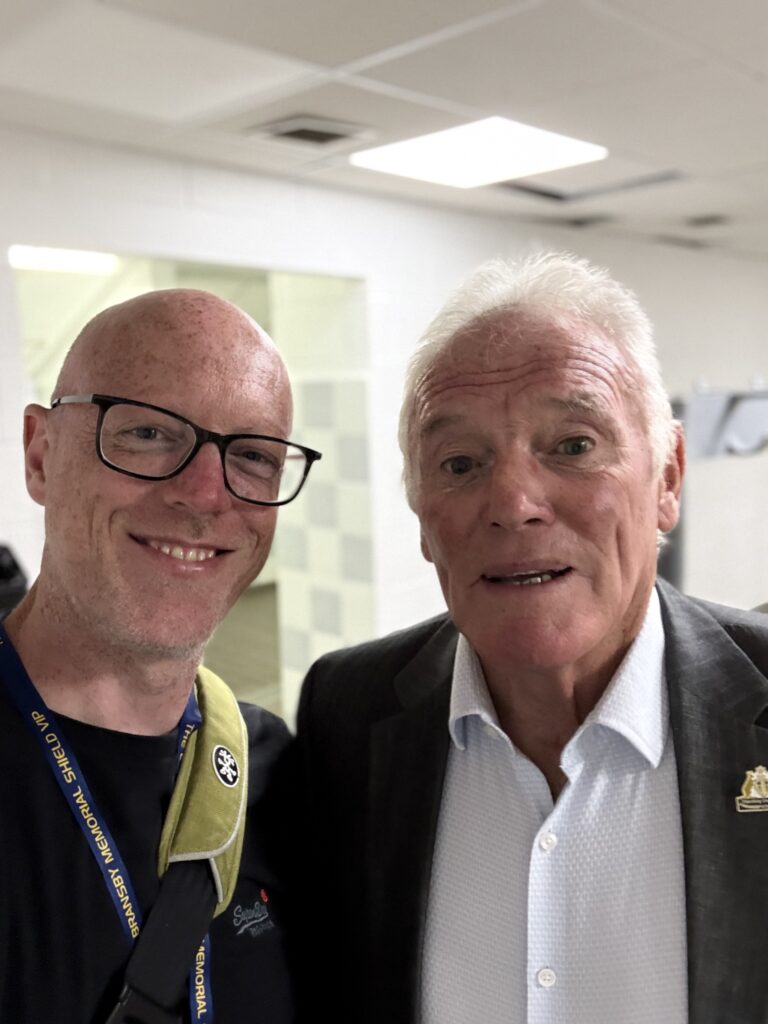
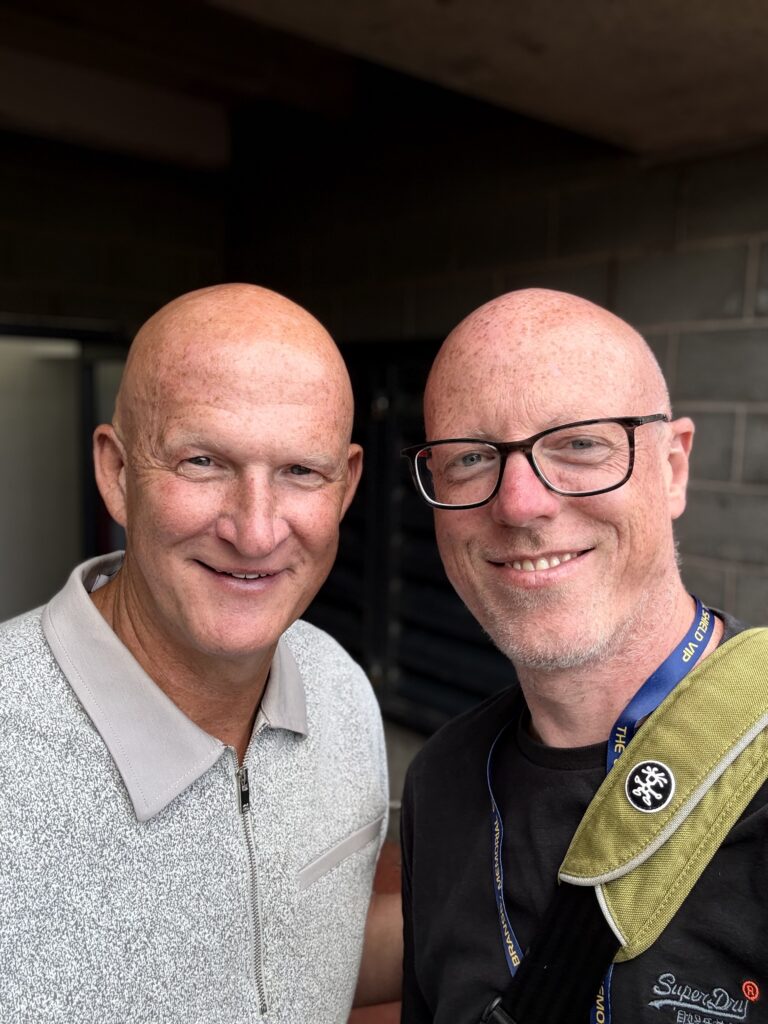
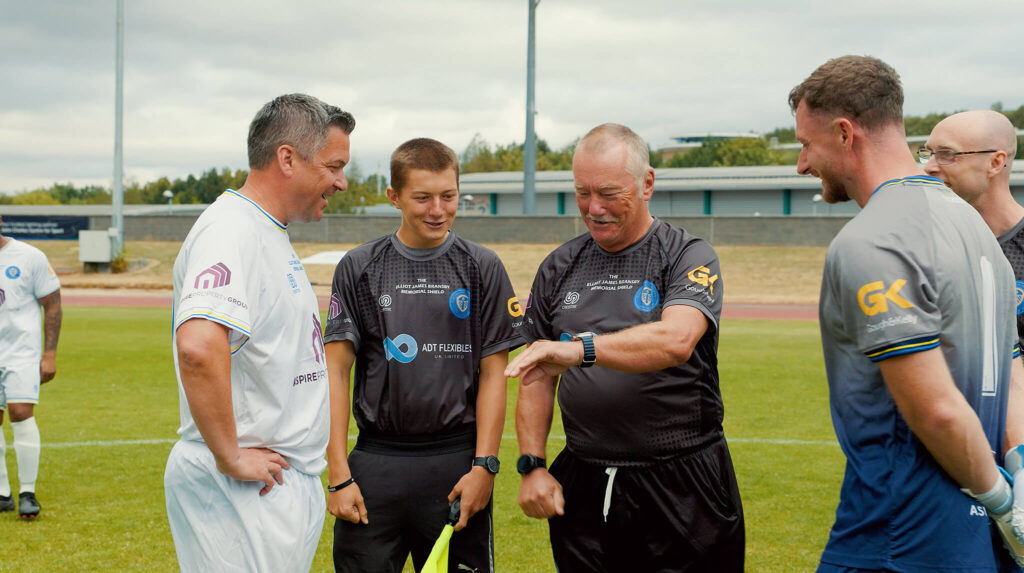
The event was brilliantly compered by Jed Stone, whose voice has become synonymous with matchdays at Elland Road after more than a decade as the club’s matchday host. As a Leeds fan, spending the day around so many people who have played such an important part in the club’s story was a real privilege.
Those encounters were special, but what stayed with me most wasn’t meeting footballing names I’d admired for years. It was spending time with David.
Watching him greet people, thank volunteers, catch up with players who have supported the event over the years and quietly take in everything that had been achieved reminded me what the day was really about. Every conversation came back to Elliot. Every person there understood why the event mattered.
Why storytelling beats highlights
One thing I’ve realised over the last few years is that my favourite projects are rarely about documenting what happened. They’re about discovering why it happened.
Whether I’m filming a business, photographing a family or documenting a charity event, I’m always looking for the story beneath the surface. Anyone can film ninety minutes of football; the challenge, and the part I enjoy most, is finding the emotional thread that connects everything together and crafting an edit that leaves people feeling something.
With the Elliot James Bransby Memorial Shield, that story was never about goals or trophies. It was about community and legacy, and about one father making sure his son’s name keeps bringing people together for an extraordinary cause.
Looking ahead
Working on this film reinforced exactly why I love documentary-style event filmmaking.
As a solo filmmaker, I enjoy the challenge of working quickly, reacting instinctively and capturing genuine, unscripted moments as they happen. But equally important is what happens afterwards: shaping those moments into a film that doesn’t simply show people what happened, but helps them understand why it mattered.
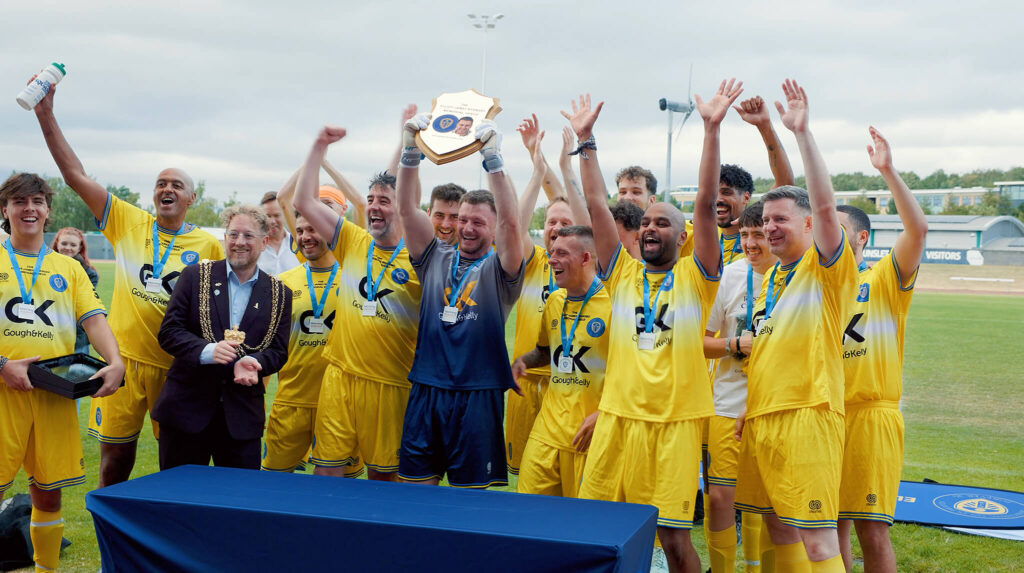
I’m incredibly grateful to David Bransby for trusting me with such an important story and for giving me the freedom to tell it in my own way. Congratulations to everyone involved in making this year’s event such a success. Raising £17,372 for Martin House Children’s Hospice – and £42,104 across all Memorial Shield events to date – is an incredible legacy and a reminder of the difference that can be made when a community comes together behind a cause.
It’s a project I’ll be proud to have been part of for a long time to come.
Watch the film
If you’ve read this far, I’d love for you to watch the finished film below. Everything I’ve talked about in this article – from David’s moving reflections to the incredible community that comes together each year – was shaped into this short documentary. I hope it captures not just the event itself, but the emotion, purpose and legacy behind it.
“The end result exceeded our dreams and expectations. We will use Simon’s work to positively promote future events, and in doing so, impressing potential sponsors. Thank you, Simon, you’ve done us proud.”
David Bransby, Event Organiser